
Reports
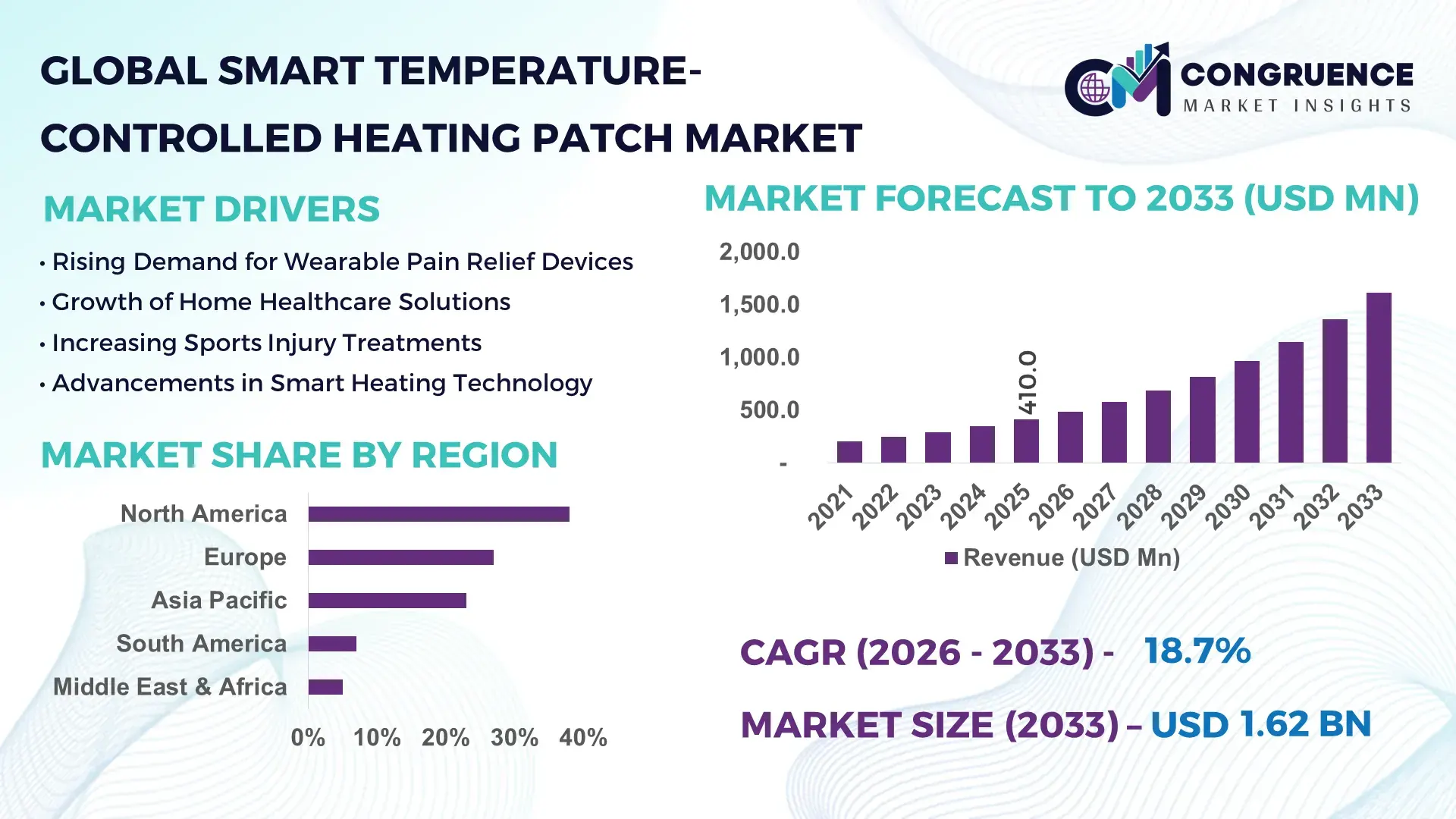
The Global Smart Temperature-Controlled Heating Patch Market was valued at USD 410.0 Million in 2025 and is anticipated to reach a value of USD 1,615.8 Million by 2033 expanding at a CAGR of 18.7% between 2026 and 2033, according to an analysis by Congruence Market Insights. The market is gaining traction due to the rising demand for wearable pain-relief technologies integrated with sensors and mobile connectivity that allow controlled, targeted thermal therapy.
The United States plays a central role in the Smart Temperature-Controlled Heating Patch Market with strong innovation capacity in wearable medical technologies. Over 65% of digital therapeutic device startups globally are based in North America, with the U.S. leading commercialization of smart therapeutic patches integrated with Bluetooth and AI-based temperature regulation. The country hosts more than 1,200 wearable health technology firms and reported healthcare wearable adoption rates above 32% among adults in 2025. Smart pain-relief devices are widely used in sports medicine and physical rehabilitation programs across more than 5,000 clinical therapy centers. In addition, U.S. healthcare device manufacturing investment exceeded USD 15 billion in recent years, enabling large-scale development of connected medical patches and sensor-enabled healthcare wearables.
Market Size & Growth:The market was valued at USD 410.0 Million in 2025 and is projected to reach USD 1,615.8 Million by 2033, expanding at a CAGR of 18.7% driven by rising demand for wearable pain management solutions and smart health monitoring devices.
Top Growth Drivers:Adoption of wearable therapeutic devices (38%), rising prevalence of musculoskeletal disorders (29%), and increasing demand for drug-free pain management solutions (24%).
Short-Term Forecast:By 2028, integration of sensor-controlled thermal therapy systems is expected to improve treatment precision by 35% while reducing overheating risks by nearly 20%.
Emerging Technologies:AI-enabled thermal regulation chips, flexible graphene heating elements, and Bluetooth-enabled remote temperature monitoring are transforming smart therapeutic patch design.
Regional Leaders:North America is projected to reach USD 560 Million by 2033 due to healthcare wearable adoption; Asia-Pacific may exceed USD 490 Million driven by rehabilitation therapy demand; Europe could surpass USD 360 Million with strong medical device innovation ecosystems.
Consumer/End-User Trends:Healthcare clinics, physiotherapy centers, and sports rehabilitation programs are increasing adoption of smart heating patches, with more than 40% of physiotherapists integrating wearable thermal therapy solutions.
Pilot or Case Example:In 2024, a digital therapy pilot program using smart heating patches for chronic back pain patients improved pain management efficiency by 32% and reduced recovery time by 18%.
Competitive Landscape:The market leader holds approximately 18% share, followed by major competitors such as Beurer GmbH, Omron Healthcare, Sunbeam Products, Hisamitsu Pharmaceutical, and Hyperice.
Regulatory & ESG Impact:Increasing compliance with wearable medical device safety standards and environmental initiatives promoting reusable heating elements are accelerating adoption across healthcare systems.
Investment & Funding Patterns:Global investment in wearable medical devices exceeded USD 6.5 Billion in recent funding cycles, with venture capital strongly targeting digital therapeutic patch technologies.
Innovation & Future Outlook:Integration of AI-driven health monitoring platforms, smartphone-connected thermal therapy systems, and flexible bioelectronics will significantly reshape the smart heating patch ecosystem.
Smart temperature-controlled heating patches are increasingly used across healthcare and sports medicine sectors, which together contribute nearly 58% of device utilization. Technological innovations such as flexible polymer heating films and AI-based thermal sensors are improving safety and usability. Regulatory support for wearable digital therapeutics and growing demand for drug-free pain management are strengthening adoption across North America, Europe, and Asia-Pacific, while connected healthcare platforms are expected to drive further market expansion.
The Smart Temperature-Controlled Heating Patch Market is becoming strategically significant within the broader wearable healthcare technology ecosystem due to its role in delivering targeted, non-invasive pain management and rehabilitation solutions. Increasing global demand for drug-free therapies and connected health monitoring devices is encouraging healthcare providers to adopt wearable thermal therapy systems that provide precise temperature regulation and real-time monitoring through smartphone applications and cloud-connected platforms. Smart patches equipped with flexible heating elements and micro-sensors are enabling personalized treatment programs across physiotherapy, sports medicine, and chronic pain management sectors.
Technological benchmarking indicates that AI-enabled thermal regulation systems deliver nearly 40% improvement in temperature stability compared to conventional disposable heating patches, ensuring safer and more controlled therapy sessions. In regional terms, North America dominates in device production volume, while Asia-Pacific leads in adoption with nearly 37% of rehabilitation centers integrating wearable thermal therapy technologiesfor musculoskeletal treatments.
Over the next two to three years, innovation in wearable bioelectronics is expected to accelerate. By 2028, AI-assisted temperature optimization algorithms are expected to reduce treatment time by nearly 25% while improving therapy effectiveness by 30%. Healthcare device manufacturers are also focusing on sustainability and regulatory compliance. Firms are committing to ESG targets such as reducing disposable medical patch waste by 20% by 2030 through reusable heating modules and recyclable materials.
Practical implementation examples further highlight the market’s transformation. In 2024, a U.S.-based digital therapy program integrated Bluetooth-enabled heating patches with physiotherapy monitoring platforms, achieving a 28% improvement in patient recovery ratesthrough real-time temperature adjustments and therapy tracking.
Looking ahead, the Smart Temperature-Controlled Heating Patch Market will continue evolving as a core component of wearable therapeutic technologies, enabling healthcare providers to deliver safer, more personalized, and data-driven pain management solutions. This integration of medical devices, digital health platforms, and AI-based monitoring positions the market as a key pillar of resilience, regulatory compliance, and sustainable healthcare innovation.
The Smart Temperature-Controlled Heating Patch Market is evolving rapidly as healthcare systems increasingly adopt wearable therapeutic devices designed for personalized pain relief and rehabilitation support. Advances in flexible electronics, sensor integration, and battery miniaturization have enabled the development of heating patches capable of delivering precise and adjustable thermal therapy. These devices are particularly relevant for treating musculoskeletal disorders, chronic pain, arthritis, and sports injuries, which collectively affect hundreds of millions of patients globally. Growing interest in non-pharmaceutical treatment alternatives has also strengthened market momentum, as healthcare providers seek solutions that reduce dependency on analgesic medications.
Technological improvements in graphene heating elements and micro-temperature controllers have enhanced safety and efficiency, allowing patches to maintain consistent therapeutic temperatures for extended periods. At the same time, digital health ecosystems are enabling integration of wearable devices with mobile applications that track therapy sessions and patient progress. Market dynamics are further influenced by increasing investments in digital therapeutics, expanding physiotherapy infrastructure, and the rising adoption of connected healthcare technologies across developed and emerging economies.
The increasing prevalence of musculoskeletal disorders and chronic pain conditions is a primary driver accelerating the adoption of smart temperature-controlled heating patches. Globally, more than 1.7 billion individuals suffer from musculoskeletal disorders, including lower back pain, arthritis, and joint injuries. These conditions often require long-term therapy and pain management, creating strong demand for wearable solutions that can provide localized heat treatment without relying on medication. Smart heating patches offer adjustable temperature control, enabling patients to receive personalized therapy while maintaining mobility during treatment. Healthcare professionals are increasingly recommending thermal therapy devices for rehabilitation and sports injury recovery due to their ability to improve blood circulation and reduce muscle stiffness. Studies indicate that controlled heat therapy can improve muscle relaxation efficiency by nearly 30% and accelerate injury recovery time by approximately 20%. In sports medicine, wearable heating patches are gaining popularity among athletes and physiotherapists, with more than 45% of sports rehabilitation clinics adopting wearable thermal therapy tools as part of recovery programs. The integration of mobile connectivity and temperature sensors further enhances usability by allowing real-time monitoring and safe temperature adjustments, strengthening demand across both clinical and home-care environments.
Despite technological progress, the relatively high cost of smart temperature-controlled heating patches remains a major barrier to wider adoption, particularly in developing healthcare markets. Advanced heating patches incorporate flexible heating elements, lithium-polymer batteries, wireless connectivity modules, and embedded sensors, which significantly increase manufacturing complexity compared to traditional disposable heating pads. These added components elevate production costs and retail prices, making the devices less accessible for cost-sensitive consumers and healthcare institutions. Another significant challenge is the limited reimbursement coverage for wearable therapeutic devices in many healthcare systems. Insurance policies often classify heating patches as consumer wellness products rather than essential medical devices, resulting in reduced financial support for patients. As a result, hospitals and physiotherapy clinics may hesitate to invest in large-scale adoption programs. Additionally, regulatory approval processes for connected medical devices can be time-consuming and require extensive safety validation, particularly for products that include temperature monitoring sensors and wireless communication capabilities. These regulatory and cost-related factors collectively limit rapid market expansion, especially in emerging economies where healthcare spending per capita remains relatively low.
The rapid growth of digital therapeutics and connected healthcare ecosystems presents significant opportunities for the Smart Temperature-Controlled Heating Patch Market. Healthcare providers are increasingly integrating wearable therapeutic devices with digital health platforms that enable remote monitoring, treatment personalization, and patient data analysis. Smart heating patches equipped with Bluetooth connectivity and temperature sensors can transmit therapy data to mobile applications, allowing physicians and physiotherapists to track treatment sessions and adjust therapy parameters in real time. This digital integration enhances patient compliance and treatment effectiveness. Surveys show that more than 35% of telehealth platforms are experimenting with wearable therapeutic devices to support remote rehabilitation programs. Such integration is particularly beneficial for chronic pain management and post-surgery recovery, where continuous therapy monitoring is required. Emerging opportunities also exist in workplace health programs, where wearable thermal therapy solutions are being introduced to reduce musculoskeletal injuries among employees working in physically demanding industries. As digital health infrastructure continues expanding worldwide, the ability to combine wearable devices with cloud-based analytics platforms will open new pathways for personalized healthcare services and improved patient outcomes.
Ensuring device reliability and safety remains one of the most significant challenges for manufacturers operating in the Smart Temperature-Controlled Heating Patch Market. Because these patches directly contact human skin and deliver controlled heat, maintaining consistent temperature levels is critical to prevent burns or skin irritation. Achieving reliable performance requires sophisticated temperature sensors, microcontrollers, and safety shut-off mechanisms, which must function accurately under different environmental and usage conditions. Battery performance is another challenge, as compact wearable devices require lightweight power sources capable of sustaining continuous heating for several hours. Lithium-polymer batteries commonly used in wearable devices must be carefully designed to avoid overheating or reduced performance during repeated charging cycles. In addition, regulatory bodies impose strict standards for wearable medical devices to ensure patient safety and product reliability. Manufacturers must conduct extensive testing related to thermal stability, electromagnetic compatibility, and biocompatibility of materials. These compliance requirements increase development timelines and costs, particularly for startups and small manufacturers entering the market, making technological reliability and regulatory approval critical challenges for the industry.
• Integration of Smart Sensors and Connected Health Platforms:Smart heating patches are increasingly embedded with temperature sensors and Bluetooth modules that allow real-time therapy monitoring through mobile applications. Nearly 48% of new wearable pain-relief devices launched in the past two years incorporate smartphone connectivity for temperature adjustments and therapy tracking. Connected thermal therapy solutions enable clinicians to remotely monitor treatment sessions, while patient adherence to therapy programs has improved by approximately 27% through digital monitoring features.
• Growing Adoption in Sports Medicine and Rehabilitation:Sports injury recovery programs are rapidly incorporating smart heating patches for muscle relaxation and rehabilitation therapy. Approximately 44% of physiotherapy clinics and sports recovery centers globally now utilize wearable thermal therapy devices as part of their treatment protocols. Controlled heat therapy has demonstrated improvements in muscle recovery speed by nearly 25% and reduced stiffness levels by 30%, making these patches a popular solution among athletes and physiotherapists.
• Development of Flexible and Graphene-Based Heating Materials:Material innovation is significantly improving heating patch performance and comfort. Flexible graphene heating elements can generate consistent therapeutic temperatures while consuming nearly 20% less energy compared with conventional metal heating wires. More than 35% of new product prototypes in the wearable thermal therapy category now use advanced conductive materials such as graphene or carbon-based heating films to enhance flexibility and durability.
• Expansion of Home Healthcare and Self-Therapy Devices:Home healthcare adoption is accelerating demand for portable and user-friendly therapeutic devices. Consumer surveys indicate that around 52% of individuals managing chronic back or joint pain prefer wearable heat therapy solutions for home treatment. Smart heating patches designed for home use often feature automatic temperature control systems that reduce overheating risk by nearly 18%, supporting safer self-care solutions and reducing dependency on clinic-based treatments.
The Smart Temperature-Controlled Heating Patch Market is segmented based on product type, application area, and end-user industries, reflecting the diverse usage patterns of wearable thermal therapy technologies. Product segmentation typically includes rechargeable smart heating patches, disposable temperature-regulated patches, and hybrid reusable patches with detachable heating modules. These products are designed to address varying therapeutic requirements, ranging from short-term pain relief to long-duration rehabilitation therapy.
Applications of smart heating patches span across medical pain management, sports injury recovery, physiotherapy treatments, and home healthcare solutions. Increasing awareness of non-invasive treatment alternatives has significantly expanded the use of these devices in rehabilitation centers and wellness clinics. End-user segmentation highlights strong demand from healthcare providers, sports medicine institutions, and individual consumers seeking convenient and portable therapeutic solutions. As wearable health technologies continue to evolve, segmentation patterns within the market are expected to shift toward connected, reusable, and sensor-enabled thermal therapy devices designed for both professional healthcare settings and personal wellness applications.
Rechargeable smart heating patches represent the leading product type in the Smart Temperature-Controlled Heating Patch Market, accounting for approximately 46% of total adoption. These devices incorporate rechargeable lithium-polymer batteries, digital temperature controllers, and reusable heating modules, enabling longer treatment sessions and improved cost efficiency compared with disposable alternatives. Healthcare professionals and physiotherapy centers prefer rechargeable solutions because they allow adjustable heat settings and repeated use during rehabilitation therapy sessions. Disposable temperature-controlled heating patches currently account for around 29% of market adoption. These patches are primarily used for short-term pain relief applications and are popular among consumers seeking convenient, single-use thermal therapy products. Their affordability and ease of use make them widely available in pharmacies and wellness stores. Hybrid reusable heating patches with detachable heating modules represent another important product category, holding nearly 25% combined sharewith other niche product variations such as wearable thermal wraps and adhesive therapy patches. These products combine convenience and extended usability, appealing to both professional healthcare providers and home users. In terms of growth dynamics, rechargeable smart heating patches are also the fastest-growing product type, expanding at an estimated 19.4% CAGR due to their compatibility with mobile health applications and remote temperature monitoring features.
In 2024, a clinical wearable technology program deployed smart rechargeable heating patches in rehabilitation therapy centers, improving patient compliance with physiotherapy treatment plans by 31%.
Medical pain management remains the leading application segment, accounting for approximately 41% of total device usage. Smart heating patches are widely used to manage conditions such as lower back pain, arthritis, and muscle stiffness. Controlled heat therapy improves blood circulation and muscle relaxation, making it an effective treatment option for chronic pain patients undergoing physiotherapy and rehabilitation programs. Sports injury recovery represents another major application, holding around 27% adoption share. Athletes and sports professionals frequently use smart heating patches during post-training recovery sessions to accelerate muscle relaxation and reduce inflammation. The integration of adjustable heat therapy and wearable mobility makes these devices particularly suitable for sports medicine. Home healthcare and wellness applications collectively contribute approximately 32% of market adoption. Consumers increasingly prefer portable therapeutic devices that allow convenient pain management without visiting healthcare facilities. Surveys indicate that over 52% of individuals suffering from chronic back pain prefer wearable heat therapy devices for home treatment, while nearly 34% of physiotherapists recommend wearable heating patches for remote rehabilitation programs. The sports injury recovery segment is currently the fastest-growing application area, expanding at an estimated 20.1% CAGR, driven by increasing sports participation and professional rehabilitation programs.
In 2025, a national sports medicine initiative integrated wearable heating patches into athlete recovery programs, improving muscle recovery efficiency for more than 12,000 athletes.
Healthcare providers such as hospitals, physiotherapy centers, and rehabilitation clinics represent the largest end-user segment, accounting for nearly 45% of total device utilization. These institutions rely on smart heating patches for controlled thermal therapy sessions used in physical rehabilitation and chronic pain treatment programs. Healthcare professionals favor devices that allow precise temperature adjustments and safe long-duration therapy. Individual consumers represent another significant end-user group, contributing approximately 34% of adoption. The growing popularity of home healthcare devices and self-care solutions has encouraged consumers to adopt wearable thermal therapy patches for everyday pain management. Many products now include smartphone applications that allow users to control temperature levels and monitor therapy duration. Sports organizations and professional training facilities represent a specialized but rapidly growing end-user segment, accounting for around 21% combined sharewith wellness clinics and occupational health programs. Adoption in these sectors is driven by the need for faster muscle recovery and injury prevention. In terms of growth dynamics, sports organizations and rehabilitation training facilities are the fastest-growing end-user segment with an estimated CAGR of 20.8%, reflecting increasing demand for advanced recovery technologies. Consumer adoption patterns show that more than 42% of physiotherapy clinics globally have tested wearable thermal therapy devices, while approximately 37% of athletes in professional training programs use heat therapy tools during injury recovery routines.
In 2024, a large physiotherapy network introduced smart heating patch therapy systems across over 300 rehabilitation clinics, enabling standardized thermal therapy protocols for musculoskeletal injury treatment.
North America accounted for the largest market share at 38% in 2025 however, Asia-Pacific is expected to register the fastest growth, expanding at a CAGR of 20.4% between 2026 and 2033.
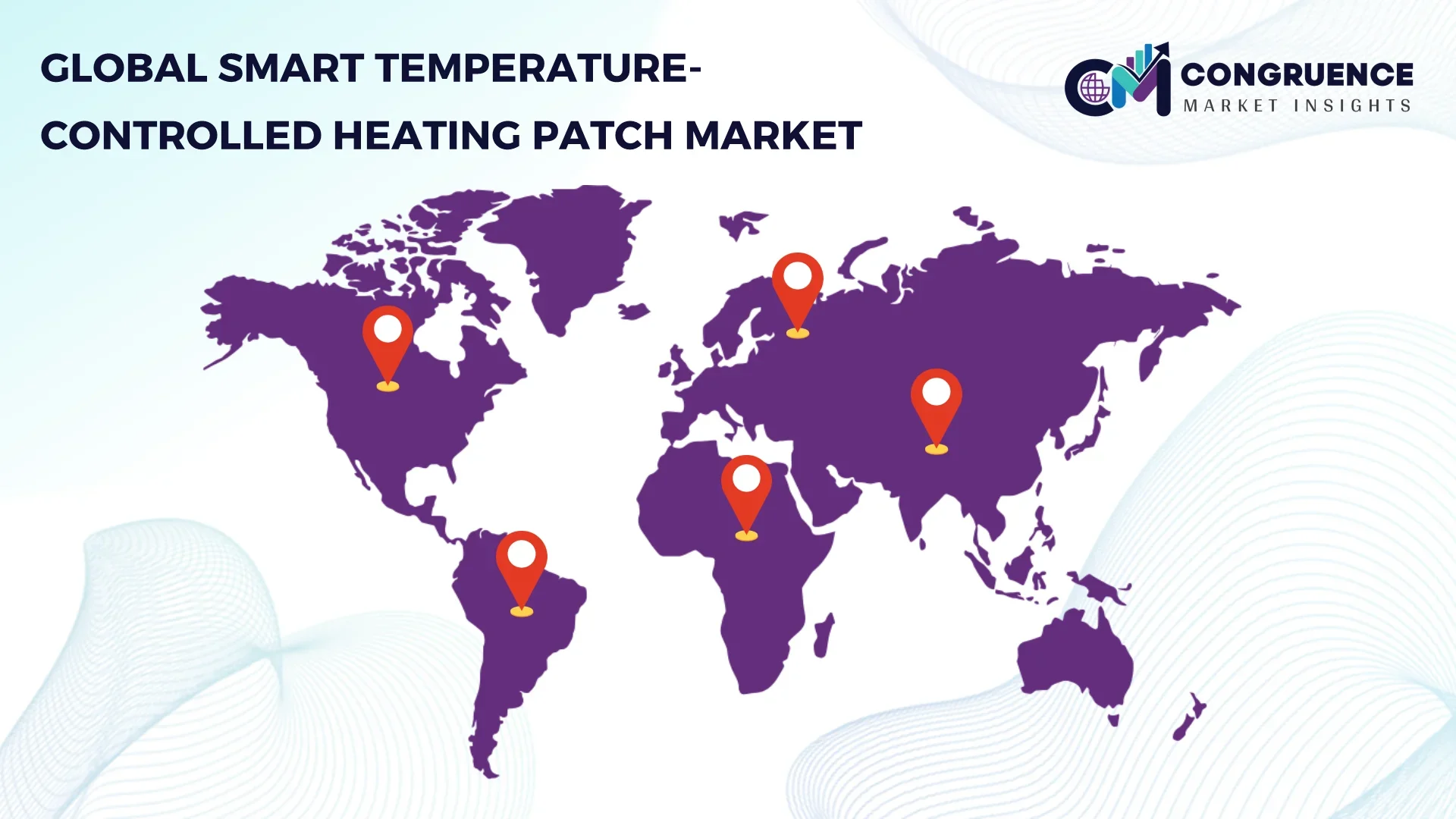
The regional distribution of the Smart Temperature-Controlled Heating Patch Market reflects differences in healthcare infrastructure, wearable technology adoption, and physiotherapy treatment demand. North America benefits from advanced digital healthcare ecosystems and high penetration of wearable medical devices, with more than 32% of adults using some form of connected health wearable. Europe follows with approximately 27% market share, supported by strong regulatory frameworks and healthcare innovation initiatives. Asia-Pacific holds nearly 23% share, but its demand is expanding rapidly due to growing sports medicine adoption and increasing consumer awareness about non-invasive pain therapy. South America represents around 7% share, driven by physiotherapy and wellness clinic expansion across Brazil and Argentina. Meanwhile, the Middle East & Africa region contributes about 5% of global adoption, supported by rising healthcare infrastructure investments and growing demand for digital therapeutic devices across UAE, Saudi Arabia, and South Africa.
North America holds the leading position in the Smart Temperature-Controlled Heating Patch Market with approximately 38% of total global adoption. The region’s leadership is strongly supported by advanced healthcare infrastructure and a high adoption rate of wearable medical devices across hospitals, rehabilitation centers, and sports medicine clinics. The United States accounts for the majority of regional demand, with more than 5,000 physiotherapy and rehabilitation facilities incorporating wearable thermal therapy solutions into their treatment programs. Canada is also witnessing increased integration of smart therapeutic wearables across sports medicine and orthopedic rehabilitation sectors. Key industries driving demand include healthcare services, sports medicine, physiotherapy centers, and digital therapeutic technology providers. Government regulatory oversight by medical device authorities ensures strict compliance for wearable therapeutic products, encouraging manufacturers to prioritize safety and temperature-control accuracy. Technological advancements such as AI-based temperature monitoring and smartphone-connected heating patches are transforming patient treatment models. A regional consumer behavior trend shows that over 35% of patients managing chronic pain prefer wearable heat therapy devices over traditional hot packs, reflecting a shift toward portable and technology-enabled treatment solutions. An example of regional industry activity includes companies such as Hyperice, which develops connected recovery devices and wearable heating technologies designed for professional athletes and rehabilitation clinics.
Europe accounts for approximately 27% of the global Smart Temperature-Controlled Heating Patch Market, supported by strong healthcare systems and a high level of innovation in medical wearable technologies. Major markets such as Germany, the United Kingdom, and France collectively represent over 60% of regional demand, largely due to widespread physiotherapy services and the presence of advanced medical device manufacturers. European healthcare regulators emphasize patient safety and environmental sustainability, which has encouraged the development of reusable smart heating patches with recyclable components. Sustainability initiatives across the region have driven manufacturers to reduce disposable medical device waste and focus on energy-efficient wearable technologies. Technological innovation across Europe includes flexible heating elements, wireless therapy monitoring, and integration of thermal therapy with mobile healthcare applications. Germany has become a significant hub for wearable health technology development, supported by over 350 digital health startupsspecializing in connected medical devices. A key example of regional participation includes Beurer GmbH, a Germany-based company that develops advanced heating and wellness devices widely used across European healthcare and consumer markets. Consumer behavior trends show that European healthcare institutions increasingly prioritize certified medical devices and data-protected digital therapy platforms when adopting wearable healthcare technologies.
Asia-Pacific represents one of the most dynamic regions in the Smart Temperature-Controlled Heating Patch Market and currently ranks third globally in total consumption volume, accounting for approximately 23% of global adoption. Major consuming countries include China, Japan, India, and South Korea, where rising healthcare awareness and increasing participation in sports activities are driving demand for wearable thermal therapy devices. The region has become an important manufacturing hub for wearable medical electronics, supported by large-scale production facilities in China and Japan. China alone hosts more than 4,000 consumer electronics manufacturers, many of which are expanding into wearable health technology production. Regional innovation hubs such as Shenzhen, Tokyo, and Seoulare leading developments in flexible electronics, rechargeable battery technology, and Bluetooth-enabled medical wearables. Increasing digital transformation across healthcare systems has also accelerated the adoption of connected therapeutic devices. Consumer behavior across Asia-Pacific shows strong influence from e-commerce platforms and mobile health applications, with more than 45% of consumers purchasing health devices through online channels. Japan-based Omron Healthcare has introduced wearable therapy devices that integrate temperature control with digital monitoring features to improve patient treatment compliance.
South America accounts for roughly 7% of the global Smart Temperature-Controlled Heating Patch Market, with Brazil and Argentinaserving as the primary consumption centers. The region’s demand is influenced by the growing availability of physiotherapy clinics, sports rehabilitation programs, and wellness centers focusing on non-invasive pain relief solutions. Brazil represents more than 55% of regional demand, supported by the presence of over 20,000 licensed physiotherapy professionals providing rehabilitation services across public and private healthcare systems. Argentina is also witnessing increased adoption of wearable therapeutic devices in sports medicine clinics. Government initiatives aimed at improving healthcare accessibility have encouraged hospitals and rehabilitation centers to explore cost-effective digital therapeutic solutions. Increasing imports of wearable healthcare technologies have also expanded product availability across regional markets. Consumer behavior trends indicate that many patients prefer portable therapeutic devices that can be used outside clinical settings, particularly for muscle recovery and back pain management. Regional distributors and wellness equipment suppliers are actively promoting smart heating patches as alternatives to conventional hot therapy methods.
The Middle East & Africa region contributes approximately 5% of global adoptionin the Smart Temperature-Controlled Heating Patch Market, but demand is steadily increasing due to healthcare modernization initiatives and rising investments in medical infrastructure. Countries such as the United Arab Emirates, Saudi Arabia, and South Africaare emerging as key growth markets. Healthcare development programs in the UAE and Saudi Arabia have led to the expansion of physiotherapy clinics and sports medicine facilities, which frequently utilize wearable thermal therapy devices for rehabilitation and injury recovery. These programs are supported by government initiatives that promote digital health solutions and medical technology adoption. Technological modernization trends in the region include increasing use of connected healthcare devices and telemedicine platforms that allow remote therapy monitoring. In South Africa, private healthcare providers have begun integrating wearable therapy solutions within rehabilitation programs. Consumer behavior variations show that demand in the region is often driven by professional healthcare institutions rather than individual consumers, with hospitals and sports rehabilitation centers accounting for nearly 60% of regional device usage.
United States – 34% market share: Strong wearable medical device manufacturing ecosystem and widespread adoption of digital therapeutics across healthcare and sports rehabilitation sectors.
Germany – 11% market share: Advanced medical device engineering capabilities and strong healthcare infrastructure supporting innovation in wearable therapeutic technologies.
The Smart Temperature-Controlled Heating Patch Market exhibits a moderately fragmented competitive structurewith a mix of global medical device manufacturers, wellness technology companies, and specialized wearable technology startups competing for market share. The market currently includes more than 45 active global and regional competitorsdeveloping smart heating devices, thermal therapy wearables, and connected rehabilitation technologies.
The top five companies collectively control approximately 34% of global market share, reflecting a competitive environment where innovation and product differentiation play a critical role. Major players focus on technological advancements such as AI-based temperature control systems, Bluetooth connectivity, rechargeable heating modules, and flexible heating materials to improve safety and therapeutic performance.
Strategic initiatives shaping the competitive landscape include partnerships with healthcare providers, collaborations with sports medicine institutions, and integration with digital health platforms. Several companies have also introduced app-connected heating patches capable of monitoring therapy duration and temperature accuracy within ±1°C, enhancing treatment precision.
Product innovation is another major competitive factor. Manufacturers are investing in graphene heating elements, flexible electronics, and energy-efficient rechargeable battery systemsthat allow continuous therapy sessions lasting 4–8 hours per device cycle. Additionally, companies are focusing on eco-friendly materials and reusable device components to align with sustainability goals in the healthcare sector.
With growing demand for wearable therapeutic solutions across rehabilitation clinics, sports training facilities, and home healthcare settings, competition is expected to intensify as companies continue to expand product portfolios and geographic distribution networks.
Hyperice
Beurer GmbH
Sunbeam Products
Hisamitsu Pharmaceutical
ThermaCare
Dr. Ho’s Health & Wellness
Carex Health Brands
Pure Enrichment
Battle Creek Equipment Company
Nature Creation
Zyllion
Wahl Clipper Corporation
Shenzhen Dongdixin Technology
HoMedics
Technological innovation is at the core of the Smart Temperature-Controlled Heating Patch Market, as manufacturers focus on improving therapy precision, safety, and device connectivity. One of the most important technological developments is the integration of micro temperature sensors capable of maintaining thermal accuracy within ±1°C, enabling precise therapeutic heat delivery. These sensors continuously monitor surface temperature and automatically adjust heating levels to prevent overheating or skin irritation.
Flexible electronics are another significant advancement shaping product design. Modern smart heating patches increasingly utilize flexible graphene heating filmsthat offer uniform heat distribution and improved durability compared with traditional metallic heating wires. Graphene-based heating elements can generate therapeutic temperatures between 38°C and 45°Cwhile consuming nearly 20% less electrical energy, extending battery life and enabling longer therapy sessions.
Rechargeable battery technology is also evolving rapidly within the wearable medical device industry. Lithium-polymer batteries integrated into smart heating patches now support continuous operation for 4 to 8 hours, allowing patients to receive extended therapy sessions without replacing disposable patches. These batteries are designed with compact dimensions to maintain device flexibility and comfort during use.
Connectivity features are transforming smart heating patches into part of broader digital health ecosystems. Many devices now integrate Bluetooth Low Energy (BLE) connectivity, enabling real-time temperature control and therapy monitoring through smartphone applications. Patients can adjust heat levels, track therapy duration, and receive safety alerts through mobile interfaces.
Artificial intelligence is also being introduced to optimize treatment personalization. AI-based thermal management algorithms analyze usage patterns and patient feedback to recommend optimal therapy temperatures and durations. Some advanced prototypes are capable of automatically adjusting heat delivery based on muscle stiffness levels detected by embedded sensors, enhancing treatment effectiveness.
These technological improvements are enabling smart heating patches to transition from simple wellness products into connected medical devices capable of supporting clinical rehabilitation programs and personalized pain management therapies.
• In August 2025, Hyperice announced the global launch of the Hyperice X2 Knee and Hyperice X2 Shoulder contrast therapy systems, integrating advanced heating, cooling, and compression technology to improve athletic recovery and rehabilitation outcomes. The upgraded devices provide deeper heat therapy levels and built-in compression to support faster muscle recovery for athletes and physiotherapy patients. Source: www.businesswire.com
• In April 2025, Nike and Hyperice introduced the Hyperboot wearable recovery system, combining heat therapy, compression technology, and mobility features into a smart footwear design for athletes. The device integrates app-controlled heat and recovery modes and was developed with feedback from elite athletes to enhance warm-up and post-training recovery performance.
• In October 2025, OMRON Healthcare was recognized as a “Best in Class” winner at the Digital Health Awards for its AI-enabled home health monitoring technology, highlighting the company’s innovation in connected medical devices and digital health ecosystems. The award recognized advanced monitoring features capable of detecting atrial fibrillation during blood pressure measurements.
• In November 2025, OMRON Healthcare announced additional investment in AI health technology firm Tricog Health, strengthening its digital healthcare ecosystem and expanding global remote health monitoring capabilities. The initiative aims to accelerate AI-driven medical diagnostics and connected health device integration across multiple healthcare markets.
The Smart Temperature-Controlled Heating Patch Market Report provides a comprehensive analysis of the global industry landscape, covering technological developments, product innovations, regional adoption patterns, and evolving healthcare applications. The report evaluates multiple product types including rechargeable smart heating patches, disposable thermal therapy patches, and hybrid reusable devices with detachable heating modules. Each product segment is examined based on technological characteristics such as sensor integration, heating element materials, battery systems, and connectivity capabilities.
The report also analyzes the major application areas where smart heating patches are increasingly utilized. These applications include chronic pain management, physiotherapy rehabilitation programs, sports injury recovery treatments, and home healthcare solutions. Medical pain management and musculoskeletal rehabilitation represent the largest areas of demand, while sports medicine and wellness therapy programs continue to expand as wearable technology adoption increases.
End-user analysis within the report focuses on hospitals, physiotherapy clinics, sports training centers, wellness facilities, and individual consumers. Healthcare institutions represent the largest adoption segment due to the growing need for controlled thermal therapy solutions within rehabilitation treatments. The report also evaluates consumer adoption patterns across home healthcare environments where portable therapeutic devices are increasingly used for self-care pain management.
Geographically, the report covers major global regions including North America, Europe, Asia-Pacific, South America, and the Middle East & Africa. Each region is analyzed based on healthcare infrastructure development, wearable technology adoption, and digital health ecosystem expansion.
Additionally, the report assesses emerging industry trends such as integration of smart sensors, Bluetooth connectivity, flexible graphene heating materials, and AI-assisted thermal regulation technologies. These innovations are shaping the next generation of wearable therapeutic devices designed to deliver safer, more efficient, and personalized heat therapy solutions across global healthcare markets.
| Report Attribute / Metric | Details |
|---|---|
| Market Revenue (2025) | USD 410.0 Million |
| Market Revenue (2033) | USD 1,615.8 Million |
| CAGR (2026–2033) | 18.7% |
| Base Year | 2025 |
| Forecast Period | 2026–2033 |
| Historic Period | 2021–2025 |
| Segments Covered |
By Type
By Application
By End-User
|
| Key Report Deliverables | Revenue Forecast; Market Trends; Growth Drivers & Restraints; Technology Insights; Segmentation Analysis; Regional Insights; Competitive Landscape; Regulatory & ESG Overview; Recent Developments |
| Regions Covered | North America; Europe; Asia-Pacific; South America; Middle East & Africa |
| Key Players Analyzed | Omron Healthcare; Hyperice; Beurer GmbH; Sunbeam Products; Hisamitsu Pharmaceutical; Dr. Ho’s Health & Wellness; Carex Health Brands; Pure Enrichment; Battle Creek Equipment Company; Nature Creation; Zyllion; Wahl Clipper Corporation; Shenzhen Dongdixin Technology; HoMedics |
| Customization & Pricing | Available on Request (10% Customization Free) |




