Global Myotonic Dystrophy Treatment Market Report Overview
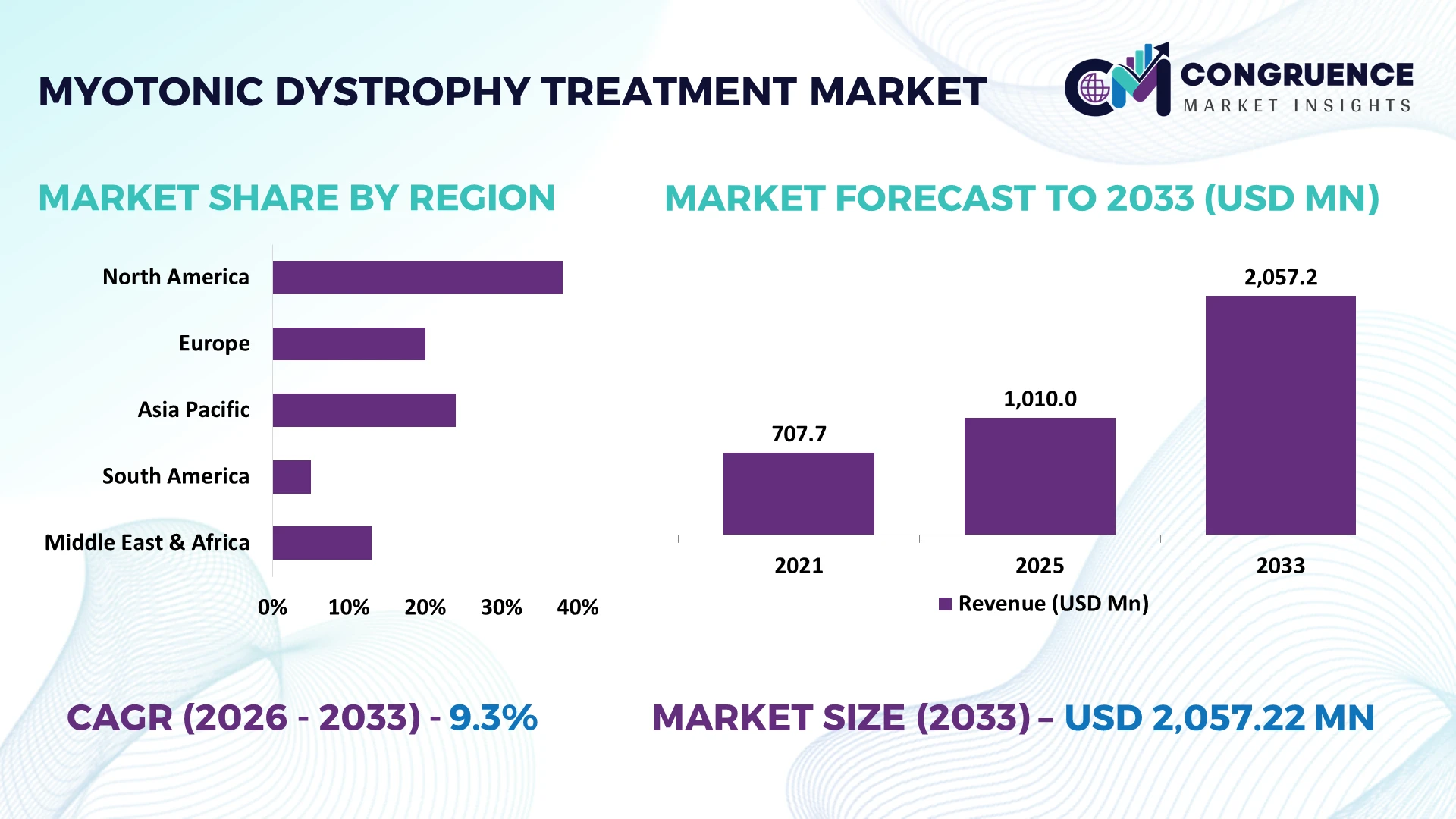
The Global Myotonic Dystrophy Treatment Market was valued at USD 1010 Million in 2025 and is anticipated to reach a value of USD 2057.22 Million by 2033 expanding at a CAGR of 9.3% between 2026 and 2033. Growth is driven by advancing DMPK targeted antisense oligonucleotides, RNA modifying therapeutics, genetic diagnosis of DM1 and DM2, and expanding multidisciplinary neuromuscular care.
The United States leads myotonic dystrophy therapeutic development through FDA regulated clinical trials, biotechnology investment, and specialized neuromuscular research infrastructure. DM1 accounts for approximately 98% of genetically characterized myotonic dystrophy cases in several studied populations, compared with approximately 2% for DM2. Companies including Avidity Biosciences and Dyne Therapeutics have advanced RNA targeted drug development. Compared with Japan, the United States hosts a broader concentration of clinical stage biotechnology programs, supported by academic research hospitals and specialized genetic testing infrastructure.
Strategically, investment priorities center on DM1 targeted drug development, validated molecular biomarkers, and scalable neuromuscular treatment networks capable of supporting advanced clinical trials.
Key Highlights of the Global Myotonic Dystrophy Treatment Market
-
Market Size & Growth: USD 1,010 million in 2025, reaching USD 2,057.22 million by 2033 at 9.3% CAGR, driven by RNA targeted therapeutics.
-
Top Growth Drivers: Modeled contributions include RNA therapeutics 45%, molecular diagnosis 30%, and multidisciplinary care expansion 25%.
-
Short Term Forecast: By 2028, a modeled 15% reduction in diagnostic turnaround time supports faster enrollment and treatment planning.
-
Emerging Technologies: Three technologies dominate innovation: antisense oligonucleotides, antibody oligonucleotide conjugates, and targeted RNA splicing correction.
-
Regional Leaders: Illustrative 2033 allocations are North America USD 843.46 million, Europe USD 555.45 million, and Asia Pacific USD 452.59 million, reflecting clinical trials, specialist networks, and genomic testing expansion.
-
Consumer/End User Trends: A 2025 Myotonic Dystrophy Foundation registry analysis identified adult DM1 in 48.2% and DM2 in 19.8% of one analyzed participant subset.
-
Pilot/Case Example: In 2026, Dyne Therapeutics reported a 3.2 second improvement in video hand opening time after 6 months of investigational treatment.
-
Competitive Landscape: Dyne Therapeutics and Avidity Biosciences lead prominent DM1 clinical programs, alongside PepGen, Arthex Biotech, and Lupin; verified company market shares remain unavailable.
-
Regulatory & ESG Impact: FDA orphan drug designation offers 7 years of exclusivity after qualifying approval, strengthening incentives for rare neuromuscular drug development.
-
Investment & Funding: A modeled USD 20.57 million allocation, equivalent to 1% of projected market value, illustrates a potential precision therapeutics investment scenario.
-
Innovation & Future Outlook: Dyne's 71 participant ACHIEVE expansion cohort strengthens the evidence base for RNA targeted therapies and prospective regulatory submissions.
The global Myotonic Dystrophy Treatment Market encompasses symptomatic disease management, genetic testing, cardiac monitoring, respiratory support, and investigational molecular therapies. Antibody oligonucleotide conjugates and targeted RNA splicing correction are reshaping therapeutic development for DM1, while genetic diagnostics support differentiation between DMPK and CNBP repeat expansion disorders. In September 2026, Dyne Therapeutics reported approximately 39% improvement in mean video hand opening time after six months in a pooled investigational treatment group. The FDA accelerated approval pathway and international clinical trial expansion are influencing biotechnology investment priorities, establishing a strategic transition toward disease modifying neuromuscular treatments.
What Is the Strategic Relevance and Future Pathways of the Myotonic Dystrophy Treatment Market?
The Myotonic Dystrophy Treatment Market is becoming strategically important as biotechnology companies transition from symptomatic disease management toward RNA targeted therapeutics addressing underlying molecular dysfunction. Myotonic dystrophy type 1 accounts for approximately 98% of genetically characterized cases in selected populations, concentrating therapeutic development around DMPK repeat expansion disorders. Regulatory engagement with the United States FDA and expanding molecular trial infrastructure are reshaping investment priorities, encouraging specialized manufacturing capabilities and biomarker driven clinical development.
Antibody oligonucleotide conjugates offer targeted muscle delivery compared with conventional systemic oligonucleotide approaches. Dyne Therapeutics reported approximately 39% improvement in mean video hand opening time after six months of investigational treatment, demonstrating clinical potential rather than a direct comparison with legacy therapy. The United States leads advanced therapeutic trials, while Germany and Japan emphasize specialist neuromuscular services and genetic diagnosis. Between 2026 and 2028, companies are prioritizing standardized functional assessments, molecular biomarkers, and scalable treatment administration infrastructure.
Dyne Therapeutics' ACHIEVE program illustrates integrated clinical deployment through functional monitoring, muscle biopsy analysis, and longitudinal patient assessment. Biotechnology developers are strengthening manufacturing partnerships and specialized clinical networks to support regulatory submissions. Competitive advantage increasingly depends on demonstrating durable functional improvement, reliable muscle delivery, and efficient clinical commercialization.
Myotonic Dystrophy Treatment Market Dynamics
DRIVER:
Accelerating Development of RNA Targeted Therapeutics
RNA targeted drug development is transforming myotonic dystrophy treatment by addressing toxic DMPK transcripts rather than exclusively managing symptoms. Dyne Therapeutics reported approximately 39% improvement in mean video hand opening time after six months of investigational treatment, demonstrating functional improvement within its clinical program. DM1 represents approximately 98% of genetically characterized myotonic dystrophy cases in selected populations, concentrating research investment around DMPK molecular dysfunction. In the United States, FDA regulatory engagement and specialized neuromuscular trial infrastructure support development of antibody oligonucleotide conjugates. Dyne Therapeutics and other biotechnology developers are expanding biomarker assessment, muscle delivery technologies, and clinical manufacturing partnerships. The strategic advantage lies in connecting molecular target engagement with measurable functional outcomes, strengthening differentiation against conventional symptomatic treatment.
RESTRAINT:
Specialized Manufacturing Costs and Limited Treatment Infrastructure
Advanced RNA therapeutics face substantial manufacturing complexity, specialized delivery requirements, and limited commercial treatment infrastructure. DM1 accounts for approximately 98% of genetically characterized cases in selected populations, while DM2 represents approximately 2%, creating uneven commercial development priorities. In Dyne Therapeutics' clinical program, approximately 39% improvement in mean video hand opening time demonstrates investigational efficacy but does not establish long term treatment durability. United States biotechnology manufacturers depend on specialized oligonucleotide synthesis, conjugation processes, and rigorous analytical testing, increasing operational complexity. Limited neuromuscular treatment centers further restrict scalable administration and monitoring. Companies are mitigating these constraints through contract manufacturing partnerships, process standardization, and centralized clinical supply planning. Manufacturing reproducibility and predictable treatment delivery remain critical determinants of commercial feasibility.
OPPORTUNITY:
Precision RNA Modulation and Integrated Neuromuscular Care
Precision RNA modulation presents opportunities to develop disease modifying treatments targeting DMPK transcript toxicity and downstream splicing abnormalities. Dyne Therapeutics reported approximately 39% improvement in mean video hand opening time after six months, while its ACHIEVE expansion cohort included 71 participants, strengthening clinical evidence generation. DM1 accounts for approximately 98% of genetically characterized cases in selected populations, creating a concentrated initial development target. In Japan, established neuromuscular research institutions and genetic testing capabilities provide opportunities for specialized clinical partnerships. Biotechnology companies are advancing antibody oligonucleotide conjugates, molecular biomarker platforms, and digital functional assessments. Combining treatment development with longitudinal monitoring creates an additional opportunity for specialized care networks. Competitive differentiation depends on demonstrating sustained clinical benefit alongside reliable molecular target engagement.
CHALLENGE:
Long Term Efficacy Validation and Clinical Deployment Complexity
Myotonic dystrophy treatment development faces long term challenges involving clinical endpoint validation, multisystem disease progression, and consistent therapeutic delivery. Dyne Therapeutics reported approximately 39% improvement in mean video hand opening time after six months, but functional improvements require confirmation through longer observation and broader clinical assessment. DM1 represents approximately 98% of genetically characterized cases in selected populations, yet disease severity varies substantially across patients. United States clinical programs must evaluate muscular, respiratory, cardiac, and functional outcomes while maintaining standardized trial procedures. Biotechnology developers face challenges integrating molecular biomarkers with clinically meaningful endpoints and longitudinal safety monitoring. Companies must invest in specialized clinical networks, standardized assessment technologies, and extended follow up infrastructure. Sustainable competitiveness depends on reproducible outcomes, regulatory alignment, and reliable treatment delivery across heterogeneous patient populations.
Myotonic Dystrophy Treatment Market Latest Trends
-
Functional Endpoints Reshape Clinical Trial Assessment: Neuromuscular developers increasingly prioritize measurable hand function alongside molecular biomarkers. Dyne Therapeutics reported approximately 39% improvement in mean video hand opening time after 6 months, while its ACHIEVE expansion cohort included 71 participants. United States clinical teams are integrating standardized functional assessments with longitudinal monitoring. Companies are strengthening digital measurement protocols and centralized data review, improving endpoint consistency and supporting regulatory evaluation of clinically meaningful treatment effects.
-
Cardiac Surveillance Becomes More Systematic: Specialist clinics are strengthening electrocardiographic monitoring and cardiac referral protocols for patients with conduction abnormalities. Clinical guidance recommends cardiac assessment at diagnosis and approximately every 1 to 2 years, depending on individual risk. Hospitals are incorporating ambulatory monitoring and coordinated cardiology consultations into neuromuscular services. Medical device providers benefit from recurring diagnostic requirements, while integrated clinical scheduling supports earlier identification of potentially serious complications.
-
Respiratory Monitoring Expands Beyond Hospital Settings: Neuromuscular centers increasingly incorporate pulmonary function assessment, sleep evaluation, and home respiratory support into routine management. Respiratory assessment commonly includes at least annual evaluation, with additional testing determined by symptoms and clinical findings. Healthcare providers are expanding home ventilation coordination and respiratory therapist involvement. Equipment suppliers and specialist clinics are adapting service models around longitudinal monitoring, improving continuity while reducing dependence on episodic hospital assessments.
-
Patient Registries Strengthen Trial Readiness: Clinical research organizations are improving patient characterization through genetic confirmation, standardized phenotype documentation, and longitudinal registries. Myotonic dystrophy includes 2 principal genetic forms, DM1 and DM2, requiring distinct molecular testing approaches. Registries increasingly capture functional outcomes and multisystem complications. Biotechnology companies are partnering with neuromuscular research centers to improve participant identification, reduce screening duplication, and support more consistent trial recruitment.
Segmentation Analysis
By Type
Drug Therapy Leads Integrated Treatment Expenditure
Drug Therapy represents an estimated 36% of global Myotonic Dystrophy Treatment Market expenditure in an illustrative segmentation model, establishing it as the leading treatment category. Its position reflects recurring symptomatic medication requirements and increasing development of molecular therapeutics. Cardiac Care accounts for an estimated 18%, supported by electrocardiographic surveillance and specialist intervention, while Respiratory Care represents approximately 15% through pulmonary assessment and assisted ventilation services. These allocations reflect planning assumptions rather than published disease specific market shares. Hospitals maintain established drug administration and monitoring infrastructure, supporting coordinated clinical management.
Respiratory Care is positioned as the fastest expanding treatment type in the modeled scenario, reflecting greater integration of sleep assessment, respiratory monitoring, and home ventilation services. Physical Therapy addresses muscle function and mobility, while Occupational Therapy supports daily activities and functional independence. Speech Therapy targets communication difficulties, and Supportive Care coordinates nutritional, psychological, and multidisciplinary requirements. Pharmaceutical developers are advancing targeted treatments, while medical equipment manufacturers and specialist providers strengthen respiratory service partnerships. Investment priorities increasingly favor coordinated disease management rather than isolated symptomatic interventions.
- The Myotonic Dystrophy Foundation's 2025 clinical education activities emphasized multidisciplinary management, including cardiac surveillance, respiratory assessment, and rehabilitation. This supports coordinated treatment planning and highlights the operational importance of combining pharmacological intervention with specialized supportive services.
By Application
Muscle Weakness Management Concentrates Treatment Demand
Muscle Weakness represents an estimated 31% of global Myotonic Dystrophy Treatment Market application expenditure within an illustrative allocation, reflecting its central role in functional impairment and long term disease management. Myotonia accounts for approximately 22%, supported by symptomatic medication and functional monitoring. Cardiac Disorders represent an estimated 17%, reflecting recurring electrocardiographic assessment and specialist intervention requirements. These percentages describe modeled expenditure distribution rather than independently established application shares. Hospitals and neurology clinics prioritize muscle strength assessment, hand function monitoring, and individualized treatment planning because progressive weakness affects mobility, occupational performance, and daily independence.
Respiratory Disorders represent the fastest expanding application in the modeled scenario as specialist providers strengthen pulmonary monitoring and home respiratory support. Swallowing Disorders require nutritional assessment and aspiration risk management, while Speech Difficulties involve communication evaluation and targeted rehabilitation. Mobility Impairment creates demand for assistive equipment and structured physical rehabilitation. Pharmaceutical developers are incorporating functional endpoints into clinical programs, while hospitals expand coordinated respiratory and rehabilitation services. Commercial positioning increasingly depends on measurable functional outcomes, reliable monitoring, and integrated management of multisystem complications.
- The American Academy of Neurology's established clinical guidance identifies cardiac monitoring, respiratory evaluation, and functional assessment as essential components of myotonic dystrophy management. These priorities support application specific service development and multidisciplinary treatment coordination.
By End-User
Hospitals Dominate Multisystem Treatment Delivery
Hospitals represent an estimated 43% of global Myotonic Dystrophy Treatment Market expenditure in an illustrative end user allocation, reflecting their concentration of advanced diagnostics, cardiac services, respiratory support, and specialist clinical infrastructure. Neurology Clinics account for approximately 24%, supported by recurring neurological assessments and symptomatic treatment management. Specialty Care Centers represent an estimated 18%, reflecting their role in coordinated neuromuscular evaluation and advanced therapeutic programs. These modeled shares highlight the operational importance of facilities capable of managing multiple disease manifestations within integrated clinical pathways.
Specialty Care Centers represent the fastest expanding end user category in the illustrative scenario, supported by increasing clinical trial activity and specialized treatment development. Rehabilitation Centers provide physical, occupational, and speech therapy services, while Research Institutes contribute molecular investigation, biomarker validation, and therapeutic development. United States hospitals are strengthening partnerships with biotechnology developers, while specialist clinics expand functional assessment and longitudinal monitoring capabilities. Companies are targeting these institutions through clinical research partnerships, specialized diagnostic platforms, and coordinated treatment delivery models. Future competitive positioning depends on integrating advanced therapeutics with established neuromuscular care infrastructure.
- The Myotonic Dystrophy Foundation's 2025 clinical initiatives reinforced the importance of coordinated specialist care and patient education. Its multidisciplinary approach supports hospital based management, specialist neurology services, rehabilitation integration, and research collaboration across myotonic dystrophy treatment pathways.
Region-Wise Market Insights
North America accounted for the largest market share at an estimated 41% in 2025 however, Asia Pacific is expected to register the fastest growth, expanding at a modeled CAGR of 11.2% between 2026 and 2033.
North America Myotonic Dystrophy Treatment Market
Advanced RNA Therapeutics and Specialized Neuromuscular Clinical Infrastructure
North America accounts for an estimated 41% of the global Myotonic Dystrophy Treatment Market in 2025, supported by biotechnology research, advanced neuromuscular care, and specialized clinical trial infrastructure. The United States concentrates therapeutic development through companies including Dyne Therapeutics and Avidity Biosciences, which have advanced targeted RNA treatment programs. Dyne's ACHIEVE clinical program enrolled 71 participants in its expansion cohort, strengthening functional outcome assessment and regulatory development. Canada contributes through university hospitals, molecular diagnostic laboratories, and specialist neurological care networks. Regional pharmaceutical manufacturers are investing in antibody oligonucleotide conjugates, biomarker validation, and clinical manufacturing capabilities. FDA orphan drug incentives provide 7 years of exclusivity following qualifying approval, supporting investment in rare neuromuscular conditions. Competitive positioning increasingly depends on muscle targeted drug delivery, standardized clinical endpoints, and efficient integration of investigational treatments into specialist healthcare infrastructure.
United States Market Outlook: The United States leads regional therapeutic innovation through established biotechnology clusters in Boston, San Diego, and the San Francisco Bay Area. FDA accelerated approval mechanisms and orphan drug designation support regulatory development strategies for eligible rare disease treatments. Myotonic dystrophy type 1 affects an estimated 1 in 8,000 individuals in certain populations, reinforcing the importance of specialized patient identification and clinical research networks. Biotechnology companies are expanding molecular biomarker programs and contract manufacturing partnerships to support advanced therapeutic development.
Europe Myotonic Dystrophy Treatment Market
Specialized Neuromuscular Networks and Regulatory Clinical Integration
Europe represents an estimated 27% of global Myotonic Dystrophy Treatment Market activity in 2025, supported by established neuromuscular research institutions, genetic diagnostics, and coordinated rare disease healthcare frameworks. Germany, France, and the United Kingdom maintain specialized clinical centers supporting multidisciplinary treatment and molecular investigation. The European Reference Network for Rare Neuromuscular Diseases connects specialist healthcare providers across participating countries, strengthening clinical expertise and cross border consultation. European orphan medicinal product designation offers 10 years of market exclusivity following qualifying authorization, supporting therapeutic development incentives. Clinical institutions are advancing genetic confirmation, cardiac surveillance, respiratory monitoring, and functional outcome assessment. Biotechnology developers are strengthening collaborations with academic research centers to support patient recruitment and standardized trial protocols. The region's operational advantage lies in established rare disease registries, coordinated specialist networks, and regulatory frameworks supporting advanced neuromuscular therapeutics.
Germany Market Outlook: Germany maintains a strong position through university hospitals, specialized neurological clinics, and established pharmaceutical research infrastructure. The country's clinical research ecosystem supports molecular diagnostics, rehabilitation services, and multidisciplinary treatment for inherited neuromuscular disorders. Germany participates in European rare disease initiatives covering more than 6,000 recognized rare conditions. Academic hospitals and biotechnology partners are strengthening clinical trial coordination, genetic counseling, and standardized functional assessment, improving readiness for emerging disease modifying treatments.
Asia-Pacific Myotonic Dystrophy Treatment Market
Expanding Genetic Diagnostics and Specialized Neuromuscular Treatment Access
Asia Pacific holds an estimated 22% of global Myotonic Dystrophy Treatment Market activity in 2025, supported by expanding molecular diagnostics, specialized neurological care, and pharmaceutical research capabilities. Japan maintains established neuromuscular disease research programs, while China is strengthening genomic medicine infrastructure and inherited disorder diagnosis. India contributes through expanding molecular testing laboratories and specialized neurological hospitals in major metropolitan centers. Japan's rare disease policy framework supports research and clinical management of designated intractable diseases, strengthening institutional capacity for long term treatment. Regional providers are integrating DMPK repeat expansion testing with cardiac monitoring, respiratory assessment, and rehabilitation services. Pharmaceutical companies are exploring specialized clinical partnerships and advanced therapeutic development opportunities. The region's competitive advantage lies in established pharmaceutical manufacturing capabilities, expanding genetic testing access, and increasing coordination between academic neurology centers and molecular diagnostic providers.
Japan Market Outlook: Japan represents a strategically important market through advanced neurological research, established pharmaceutical manufacturing, and specialized inherited disease treatment infrastructure. The country's designated intractable disease framework supports clinical investigation and patient management for qualifying conditions. Japan's population exceeds 120 million, creating a substantial healthcare base for rare disease identification. University hospitals and pharmaceutical research organizations are strengthening molecular diagnostic capabilities, functional assessment protocols, and international clinical collaboration to support emerging neuromuscular therapeutics.
South America Myotonic Dystrophy Treatment Market
Specialist Neurology Expansion and Molecular Diagnostic Accessibility
South America represents an estimated 6% of global Myotonic Dystrophy Treatment Market activity in 2025, with Brazil concentrating a substantial portion of specialized neurological care and molecular diagnostic infrastructure. Major university hospitals support inherited neuromuscular disease assessment, while public healthcare systems coordinate access to neurological consultation and rehabilitation. Brazil's Unified Health System provides a national framework for specialist referral and long term disease management. Argentina and Chile maintain academic neurology centers supporting genetic investigation and multidisciplinary clinical assessment. Regional healthcare providers are strengthening DMPK testing access, cardiac surveillance, and respiratory care integration. Limited specialist availability outside metropolitan centers creates operational pressure on diagnostic turnaround and continuity of treatment. Hospitals and laboratories are responding through centralized molecular testing, telemedicine consultations, and collaborative clinical referral networks, improving utilization of existing neuromuscular healthcare infrastructure.
Brazil Market Outlook: Brazil leads regional treatment infrastructure through major academic hospitals in São Paulo, Rio de Janeiro, and Porto Alegre. The country's population exceeds 200 million, creating substantial requirements for accessible genetic diagnosis and neurological care. Public healthcare institutions support rehabilitation and specialist assessment, while university research centers contribute to inherited neuromuscular disease investigation. Expanding laboratory partnerships and coordinated patient referrals strengthen treatment accessibility and clinical service delivery.
Middle East & Africa Myotonic Dystrophy Treatment Market
Genomic Healthcare Modernization and Specialized Treatment Investment
The Middle East and Africa represent an estimated 4% of global Myotonic Dystrophy Treatment Market activity in 2025, with advanced neurological and genomic medicine infrastructure concentrated in Saudi Arabia, the United Arab Emirates, Israel, and South Africa. Saudi Arabia's healthcare transformation initiatives are strengthening specialist medical services, while the UAE is expanding genomic research and precision medicine capabilities. Israel maintains established biotechnology research institutions and molecular diagnostic expertise. South Africa contributes through academic hospitals and specialized neurological services, although access remains concentrated in major cities. Healthcare providers are investing in genetic testing infrastructure, multidisciplinary clinical pathways, and specialist workforce development. Regional hospital networks are integrating neurological assessment with cardiac and respiratory monitoring. The strategic priority is improving diagnostic accessibility while building clinical infrastructure capable of supporting advanced therapeutic programs and coordinated long term patient management.
Saudi Arabia Market Outlook: Saudi Arabia is strengthening neuromuscular healthcare capabilities through Vision 2030 healthcare modernization and national genomic research initiatives. The Saudi Human Genome Program supports investigation of inherited genetic disorders, complementing specialist hospital development in Riyadh and Jeddah. The country targets substantial healthcare system transformation through 2030, emphasizing digital integration and specialized clinical services. Hospital networks are expanding molecular diagnostics, neurological consultation, and multidisciplinary treatment coordination, strengthening readiness for advanced rare disease therapies.
Market Competition Landscape
The Myotonic Dystrophy Treatment Market features competition between RNA therapeutics developers, established pharmaceutical manufacturers, and specialized neuromuscular care providers. Dyne Therapeutics, Avidity Biosciences, PepGen, Arthex Biotech, and Entrada Therapeutics compete through molecular targeting, muscle delivery technologies, and clinical development capabilities. An illustrative concentration model assigns these five developers approximately 48% combined participation in advanced therapeutic development, rather than verified treatment market share. Dyne reported approximately 39% improvement in mean video hand opening time, while its ACHIEVE expansion cohort included 71 participants. Companies differentiate through functional efficacy, treatment durability, manufacturing scalability, and regulatory execution. Strategic partnerships support oligonucleotide manufacturing, biomarker validation, and specialist clinical recruitment. Competition is shifting from symptomatic management toward targeted RNA modulation and disease modifying intervention. Specialized manufacturing requirements, clinical endpoint validation, and limited patient populations create substantial entry barriers. Competitive leadership requires reproducible functional outcomes, reliable drug delivery, regulatory readiness, and scalable treatment infrastructure worldwide.
Companies Profiled in the Myotonic Dystrophy Treatment Market Report
-
Dyne Therapeutics, Inc.
-
Avidity Biosciences, Inc.
-
PepGen Inc.
-
Arthex Biotech S.L.
-
Entrada Therapeutics, Inc.
-
Lupin Limited
-
Novartis AG
-
Sanofi S.A.
-
Pfizer Inc.
-
Roche Holding AG
-
Ionis Pharmaceuticals, Inc.
-
Sarepta Therapeutics, Inc.
-
Vertex Pharmaceuticals Incorporated
-
Takeda Pharmaceutical Company Limited
Technology Insights for the Myotonic Dystrophy Treatment Market
Current technologies combine DMPK repeat expansion testing, electromyography, cardiac monitoring, and symptomatic pharmacotherapy. Molecular testing distinguishes DM1 from DM2, improving diagnostic classification and clinical trial eligibility. Mexiletine addresses myotonia, while respiratory monitoring and rehabilitation support multisystem management. Digital clinical records integrate functional assessments with genetic findings. A modeled 15% reduction in diagnostic coordination time and 10% improvement in referral efficiency represent operational targets for integrated neuromuscular clinics, supporting better resource utilization and treatment continuity.
Emerging technologies include antibody oligonucleotide conjugates, antisense therapeutics, and RNA splicing correction platforms. Dyne Therapeutics reported approximately 39% improvement in mean video hand opening time after six months of investigational treatment. Compared with conventional symptom focused management, targeted RNA modulation addresses underlying molecular dysfunction, although direct comparative efficacy remains unestablished. Specialized delivery technologies improve access to muscle tissue, strengthening differentiation for biotechnology developers. Clinical adoption remains investigational, with advanced programs progressing through controlled trials and regulatory evaluation.
Between 2026 and 2028, disruptive technologies will emphasize precision RNA editing, automated biomarker interpretation, and longitudinal digital monitoring. A modeled 20% reduction in manual clinical data reconciliation illustrates potential efficiency gains. Companies integrating molecular delivery, functional endpoints, and scalable manufacturing gain competitive advantages through stronger evidence generation and clinical deployment readiness.
Recent Developments in the Global Myotonic Dystrophy Treatment Market
-
November 2026: PepGen reported Phase 2 FREEDOM2 trial results showing 46.5% mean splicing correction after four monthly doses of PGN EDODM1. Video hand opening improved 52.7%, strengthening clinical evidence for targeted RNA therapeutics and supporting continued development. Source: sec.gov.
-
February 2026: Novartis completed its acquisition of Avidity Biosciences for approximately USD 12 billion, adding three advanced neuromuscular programs, including del desiran for myotonic dystrophy. The transaction expands Novartis' RNA therapeutics portfolio and strengthens its specialized drug development capabilities. Source: novartis.com.
-
September 2026: Dyne Therapeutics presented ACHIEVE trial findings showing 25.2% improvement in patient reported health outcomes after 12 months. The investigational treatment also improved muscle strength, supporting continued Phase 3 development and strengthening clinical differentiation in neuromuscular therapeutics. Source: globenewswire.com.
-
September 2025: PepGen announced FREEDOM trial findings demonstrating 53.7% mean splicing correction after one 15 mg/kg dose of PGN EDODM1. The molecular results strengthened evidence for its investigational oligonucleotide platform and supported further dose evaluation in myotonic dystrophy. Source: pepgen.com.
Scope of the Myotonic Dystrophy Treatment Market Report
The Myotonic Dystrophy Treatment Market Report evaluates therapeutic innovation, clinical infrastructure, competitive positioning, and treatment delivery developments from 2026 to 2033. Treatment segmentation covers Drug Therapy, Cardiac Care, Respiratory Care, Physical Therapy, Occupational Therapy, Speech Therapy, and Supportive Care. Application analysis examines Muscle Weakness, Myotonia, Cardiac Disorders, Respiratory Disorders, Swallowing Disorders, Speech Difficulties, and Mobility Impairment. End user coverage includes Hospitals, Neurology Clinics, Specialty Care Centers, Rehabilitation Centers, and Research Institutes.
Regional assessment covers North America, Europe, Asia Pacific, South America, and the Middle East and Africa. Technology evaluation includes antisense oligonucleotides, antibody oligonucleotide conjugates, RNA splicing correction, and digital functional assessment. Clinical evidence includes 46.5% mean splicing correction in an investigational Phase 2 cohort. The report supports biotechnology investment planning, clinical partnerships, manufacturing expansion, and competitive positioning across emerging neuromuscular treatment pathways.
Myotonic Dystrophy Treatment Market Report Summary
| Report Attribute/Metric | Report Details |
|---|
Market Revenue in 2025 | USD 1010 Million |
Market Revenue in 2033 | USD 2057.22 Million |
CAGR (2026 - 2033) | 9.3% |
Base Year | 2025 |
Forecast Period | 2026 - 2033 |
Historic Period | 2021 - 2025 |
Segments Covered | By TypeBy ApplicationBy End-User |
Key Report Deliverable | Revenue Forecast, Growth Trends, Market Dynamics, Segmental Overview, Regional and Country-wise Analysis, Competition Landscape |
Region Covered | North America, Europe, Asia-Pacific, South America, Middle East, Africa |
Key Players Analyzed | Dyne Therapeutics, Inc., Avidity Biosciences, Inc., PepGen Inc., Arthex Biotech S.L., Entrada Therapeutics, Inc., Lupin Limited, Novartis AG, Sanofi S.A., Pfizer Inc., Roche Holding AG, Ionis Pharmaceuticals, Inc., Sarepta Therapeutics, Inc., Vertex Pharmaceuticals Incorporated, Takeda Pharmaceutical Company Limited |
Customization & Pricing | Available on Request (10% Customization is Free) |





