
Reports
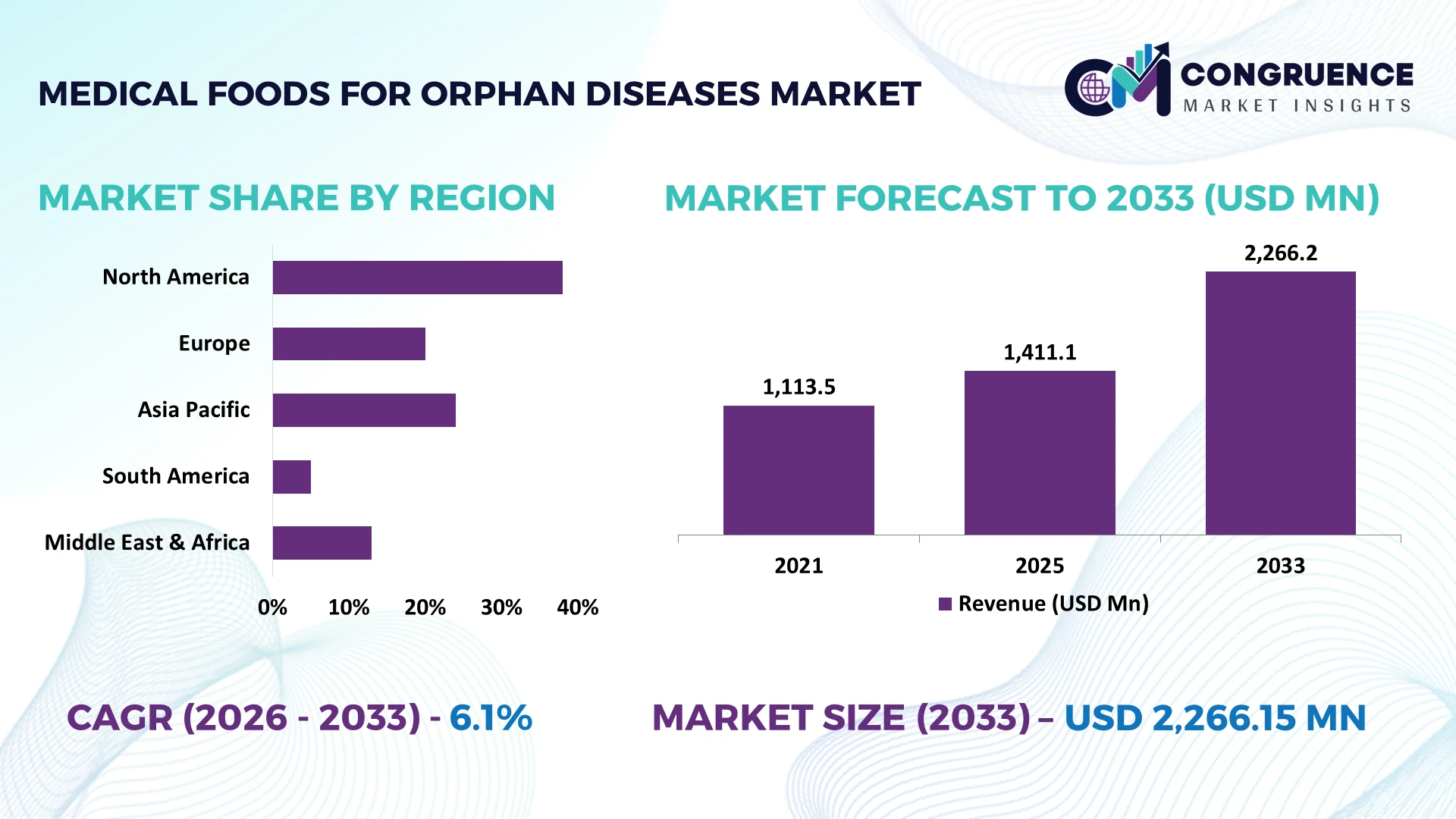
The Global Medical Foods For Orphan Diseases Market was valued at USD 1411.13 Million in 2025 and is anticipated to reach a value of USD 2266.15 Million by 2033 expanding at a CAGR of 6.1% between 2026 and 2033. Growth is driven by expanded newborn screening, greater access to metabolic disease nutrition therapy, and advances in amino acid formulations for inherited metabolic disorders.
The United States represents a leading national market, supported by specialized metabolic treatment centers, established reimbursement pathways, and advanced clinical nutrition manufacturing. Its Recommended Uniform Screening Panel includes more than 35 core conditions, strengthening early identification of patients requiring lifelong dietary management. Compared with India, the United States benefits from broader newborn screening infrastructure and established distribution networks for phenylketonuria and other inherited metabolic disorders. European manufacturers provide additional competitive pressure through specialized protein substitutes and age-specific nutritional formulations.
The strategic priority is expanding reimbursement-supported distribution, improving formulation tolerability, and strengthening clinical partnerships to secure long-term patient retention.
Market Size & Growth: Valued at USD 1411.13 Million in 2025, projected to USD 2266.15 Million by 2033 at 6.1% CAGR, driven by newborn screening expansion and precision nutrition adoption.
Top Growth Drivers: Rising diagnosis rates of rare genetic conditions, expansion of newborn screening programs, and growing focus on personalized medical nutrition.
Short-Term Forecast: By 2027, ready-to-consume and microtablet formulations expand adoption as convenient solid dosage forms improve adherence versus bulky powders and unpalatable liquids.
Emerging Technologies: Microtablet protein substitutes with enhanced vitamin and mineral fortification, digital patient-support platforms for nutrition monitoring, and data-driven personalization adjusting interventions to laboratory values.
Regional Leaders: North America at 34.2% revenue share with US market dominance, Asia-Pacific fastest-growing driven by China’s domestic production breakthrough, and Europe led by Germany through newborn screening infrastructure.
Consumer/End-User Trends: Oral administration commands 69.0% of revenue; powder formulations hold 35.7% product share due to widespread availability for inherited metabolic disorders.
Pilot/Case Example: China’s first domestic orphan disease medical food (January 2025) approved for methylmalonic acidemia and propionic acidemia treatment, achieving zero breakthrough for domestic production of amino acid metabolism disorder formulas.
Competitive Landscape: Nestlé, Abbott, Danone, Ajinomoto Cambrooke, and Fresenius Kabi lead; Vitaflo, BioMarin, and Ultragenyx compete on disease-specific formulation portfolios.
Regulatory & ESG Impact: FDA medical food framework distinct from drug approval; China’s Hainan Boao Lecheng pilot enables temporary import of urgent-need formulas through streamlined review pathways.
Investment & Funding: Venture capital and strategic pharmaceutical funding support precision nutrition formulations, condition-specific amino-acid systems, and digital patient monitoring tools.
Innovation & Future Outlook: Disease-specific nutritional formulations, personalized medical nutrition, and ready-to-consume products reshape portfolios toward adherence-focused, patient-centric designs.
The Medical Foods For Orphan Diseases Market is increasingly focused on phenylketonuria, maple syrup urine disease, urea cycle disorders, and other inherited metabolic conditions requiring precise nutritional intervention. Advanced glycomacropeptide-based protein substitutes, ready-to-drink amino acid formulas, and low-protein therapeutic foods are improving product differentiation. In the United States, 85% of newborn screening programs screened for at least 35 of the 40 recommended core conditions as of May 2026, reinforcing the importance of early diagnosis. Meanwhile, European manufacturing investments and specialized hospital distribution networks are reshaping supply strategies, establishing clinical accessibility and formulation innovation as critical competitive priorities.
The Medical Foods For Orphan Diseases Market is becoming strategically important as rare disease management shifts toward earlier diagnosis, personalized nutritional intervention, and coordinated lifelong treatment. The United States recommends newborn screening for 40 core conditions, creating an established clinical pathway for identifying inherited metabolic disorders. Regulatory distinctions between medical foods, infant formulas, and pharmaceutical therapies are also influencing manufacturers' formulation strategies, clinical evidence requirements, and distribution partnerships.
Precision amino acid blending, automated nutrient verification, and digital dietary monitoring are transforming specialized metabolic nutrition. Compared with conventional manual batch documentation, automated formulation systems improve ingredient traceability and reduce transcription steps, although efficiency gains depend on production configuration. Germany and the United Kingdom maintain established specialist metabolic nutrition infrastructure, while India is developing broader screening capabilities through institutional programs. During 2026–2028, manufacturers are prioritizing measurable improvements in batch release efficiency, formulation consistency, and patient adherence.
Vitaflo's specialized nutrition manufacturing investments in Germany illustrate the shift toward dedicated production capacity and supply-chain resilience. Companies including Nutricia and Ajinomoto Cambrooke are strengthening disease-specific portfolios, clinical education, and product accessibility. Competitive advantage increasingly depends on combining verified nutritional performance with reliable prescription fulfillment, age-appropriate formulations, and integrated patient support rather than competing solely on product availability.
Newborn screening expansion is strengthening demand for disease-specific medical foods by identifying metabolic disorders before irreversible complications develop. The United States recommends screening for 40 core conditions, including phenylketonuria and maple syrup urine disease. Approximately 98% of U.S. newborns undergo screening, supporting established referral pathways into specialist metabolic clinics. For phenylketonuria, dietary treatment commonly requires lifelong phenylalanine restriction, creating recurring requirements for amino acid substitutes and low-protein nutritional products. State screening programs and clinical metabolic networks are strengthening treatment continuity through coordinated diagnosis and dietary counseling. Manufacturers including Nutricia, Vitaflo, and Ajinomoto Cambrooke are responding with age-specific formulations, improved palatability, and partnerships with metabolic treatment centers.
Medical food accessibility remains constrained by inconsistent reimbursement policies, specialized ingredient procurement, and fragmented distribution arrangements. In the United States, approximately 98% newborn screening coverage does not translate into equivalent financial coverage for lifelong metabolic nutrition. The federal Orphan Drug Act defines rare diseases using a threshold of fewer than 200,000 affected Americans, yet medical foods operate under distinct regulatory and reimbursement frameworks. In India, limited specialist nutrition distribution outside major metropolitan hospitals creates additional procurement barriers. Amino acid purity requirements, small production batches, and temperature-sensitive logistics increase operating complexity. Manufacturers are responding through diversified ingredient sourcing, regional distributors, institutional supply agreements, and packaging improvements that reduce inventory losses and treatment interruptions.
Glycomacropeptide-based formulations present a differentiated opportunity in precision nutrition for phenylketonuria. A 2026 international clinical survey covering 45 countries found approximately 25% of represented patients receiving glycomacropeptide protein substitutes, demonstrating substantial scope for formulation diversification. Among participating healthcare professionals, 78.4% reported prescribing these products following refusal or poor adherence to conventional amino acid substitutes, while 54.8% identified adults restarting dietary treatment as a prescribing consideration. In the United Kingdom, specialist metabolic centers are evaluating flexible powdered and liquid formulations to improve dietary acceptance. Manufacturers can expand through modular protein substitutes, personalized nutrient profiles, and dietitian-supported digital platforms, creating competitive differentiation through treatment flexibility and patient retention.
Maintaining consistent metabolic control across childhood, adolescence, and adulthood presents a complex execution challenge for specialized nutrition manufacturers. A multicenter clinical evaluation involving 18 patients reported 86% adherence to an innovative glycomacropeptide substitute, while 78% rated its palatability satisfactory. However, 17% experienced improved gastrointestinal tolerance, highlighting the importance of individualized formulation responses. In Türkiye, a pediatric transition study found 67% of participating children switched to liquid amino acid substitutes, compared with 33% adopting glycomacropeptide powder. These findings emphasize formulation preferences during treatment transitions. Manufacturers must invest in longitudinal patient monitoring, dietitian education, age-specific product development, and clinical feedback systems to strengthen treatment continuity and competitive sustainability.
• Ready-to-Use Formulations Reshape Product Portfolios: Manufacturers are expanding liquid protein substitutes and portion-controlled metabolic foods to simplify preparation. A Turkish pediatric study documented 67% adoption of liquid amino acid substitutes versus 33% for glycomacropeptide powder. This preference is encouraging Nutricia and Vitaflo to prioritize convenient formats, differentiated flavors, and packaging that supports consistent daily intake.
• Digital Traceability Strengthens Nutritional Quality Control: Specialized nutrition manufacturers are integrating electronic batch records, barcode verification, and automated ingredient reconciliation. Under U.S. food manufacturing regulations, preventive controls and traceability documentation support ingredient accountability. Digital workflows connect raw material certificates, allergen segregation, and finished-product release, helping manufacturers reduce manual verification requirements and improve recall readiness across small-batch metabolic formulations.
• Clinical Nutrition Portfolios Become More Specialized: Companies are differentiating products according to age, metabolic tolerance, and protein requirements rather than maintaining uniform formulations. A multicenter evaluation involving 18 patients recorded 86% adherence and 78% satisfactory palatability for an innovative glycomacropeptide substitute. These findings encourage investment in sensory optimization, nutrient balance, and differentiated products for adolescents and adults.
• Specialist Distribution Networks Gain Operational Importance: Manufacturers are restructuring fulfillment around hospital dietitians, specialty pharmacies, and recurring home deliveries. The United States recommends newborn screening for 40 core conditions, while approximately 98% of newborns undergo screening. Companies are strengthening prescription coordination, inventory forecasting, and specialist distribution partnerships to maintain uninterrupted access to condition-specific nutritional products.
Amino Acid-Based Formulas represent the established product category in medical foods for orphan diseases, supported by their essential role in phenylketonuria, maple syrup urine disease, and other inherited amino acid disorders. These formulations enable controlled intake of specific amino acids while maintaining nutritional adequacy. In a 2026 international clinical survey, 78.4% of participating healthcare professionals identified poor adherence to conventional phenylalanine-free amino acid substitutes as a reason for prescribing glycomacropeptide alternatives. This reinforces the commercial importance of improving established formulations. Protein-Restricted Formulas complement amino acid therapy by supporting controlled dietary protein intake, particularly in lifelong metabolic management.
Metabolic Disorder Formulas represent an important innovation category, incorporating condition-specific nutrient profiles and specialized protein substitutes. Approximately 25% of patients represented in the international survey received glycomacropeptide-based products, demonstrating adoption of alternative formulations. Medium-Chain Triglyceride Formulas support selected fatty acid oxidation disorders, while Low-Fat Formulas address specific lipid metabolism requirements. Carbohydrate-Modified Formulas serve disorders requiring controlled carbohydrate intake. Manufacturers are prioritizing formulation diversification, improved taste, and individualized nutritional composition.
Phenylketonuria represents a major established application within the Medical Foods For Orphan Diseases Market because treatment frequently requires lifelong phenylalanine restriction and specialized protein substitution. The United States identifies hundreds of affected newborns annually, supporting consistent requirements for therapeutic formulas and low-protein foods. In a 2026 international survey representing approximately 14,200 individuals with phenylketonuria, around 3,850 were prescribed glycomacropeptide-based substitutes. Maple Syrup Urine Disease and Homocystinuria require selective amino acid restriction, creating opportunities for specialized formulations and clinical monitoring. Manufacturers including Vitaflo and Nutricia maintain disease-specific product portfolios to address these nutritional requirements.
Urea Cycle Disorders and Organic Acidemias represent clinically intensive applications requiring controlled protein intake and careful management during metabolic instability. Glycogen Storage Diseases require specialized carbohydrate management, including structured feeding regimens, while Mitochondrial Disorders involve individualized nutritional interventions depending on metabolic presentation. A 2026 clinical survey reported that 69% of healthcare professionals adjusted dietary phenylalanine prescriptions according to glycomacropeptide content. This demonstrates the importance of precise nutrient composition, encouraging manufacturers to develop clinically adaptable formulations.
Metabolic Disease Centers represent a strategically important end-user category because complex inherited metabolic disorders require multidisciplinary nutritional assessment, biochemical monitoring, and specialist dietary intervention. Hospitals and Pediatric Care Centers provide essential diagnosis, acute metabolic stabilization, and early nutritional treatment. In a 2026 international survey covering 208 healthcare professionals, 83.7% of respondents were dietitians or nutritionists, demonstrating the central role of specialist nutritional expertise in product selection. Specialty Clinics coordinate follow-up treatment, while Clinical Nutrition Centers support dietary formulation adjustments. Manufacturers are strengthening professional education, clinical product documentation, and institutional relationships to support prescribing consistency.
Home Healthcare represents an important expansion channel as patients increasingly manage lifelong dietary treatment outside institutional settings. Specialty Pharmacies facilitate prescription fulfillment, specialized inventory management, and recurring product supply. The international survey found that 59.1% of participating professionals treated both pediatric and adult patients, highlighting demand across multiple age groups. Manufacturers are responding through ready-to-use formulations, flexible packaging, patient support programs, and distribution partnerships. Competitive positioning increasingly depends on coordinating specialist prescribing with dependable home delivery and nutritional continuity.
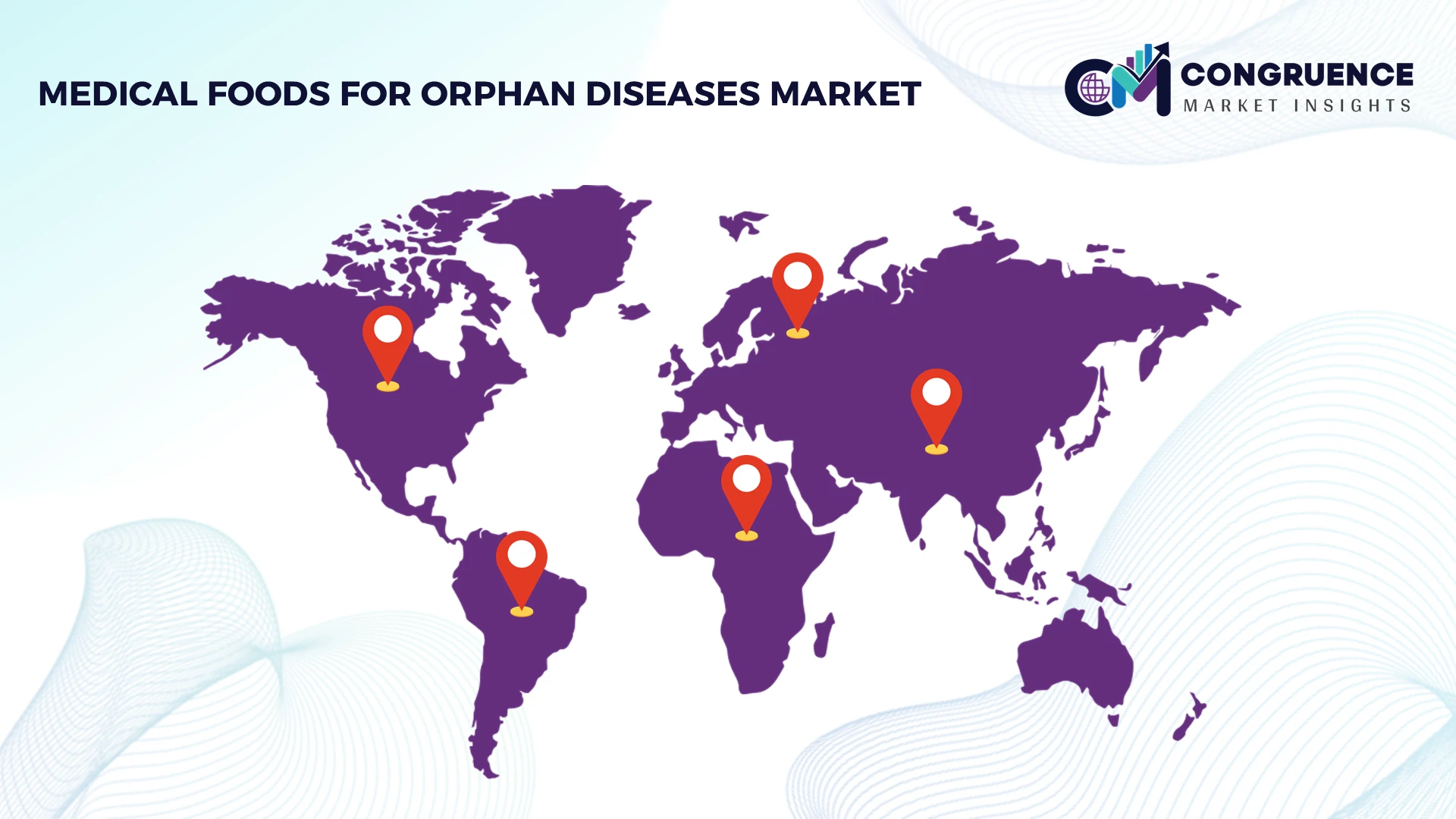
North America accounted for the largest market share at 34.2% in 2025 however, Asia-Pacific is expected to register the fastest growth, expanding at a CAGR of 6.3% between 2026 and 2033.
Established Metabolic Care Infrastructure Strengthens Market Leadership
North America maintains a leading position in specialized medical nutrition through established newborn screening infrastructure, metabolic treatment networks, and institutional reimbursement pathways. The United States and Canada support clinical management of phenylketonuria, maple syrup urine disease, and urea cycle disorders through multidisciplinary treatment centers. Canadian provincial screening programs complement U.S. state-based testing infrastructure, creating structured referral pathways for dietary intervention. Advanced clinical nutrition manufacturers, including Abbott, Mead Johnson, and Ajinomoto Cambrooke, benefit from established healthcare distribution networks and specialist prescribing relationships. The region's competitive advantage also reflects access to biochemical monitoring laboratories, genetic counseling, and metabolic dietitians. Product development increasingly emphasizes age-specific protein substitutes, low-protein therapeutic foods, and improved nutritional tolerability. Manufacturers are strengthening institutional procurement relationships and patient assistance services to improve continuity of treatment.
United States Market Outlook: The United States benefits from specialized metabolic clinics, established medical food manufacturers, and extensive newborn screening infrastructure. Approximately 98% of newborns receive screening, supporting early identification of treatable metabolic conditions. State-level medical nutrition coverage requirements influence procurement arrangements, while domestic formulation expertise strengthens product customization and specialist distribution.
Specialized Manufacturing and Regulatory Harmonization Shape Competition
Europe represents an established medical foods manufacturing and clinical nutrition market, supported by specialized metabolic treatment centers and harmonized regulatory requirements for foods for special medical purposes. The European Union's Regulation 609/2013 provides a framework for specialized nutritional products, while Delegated Regulation 2016/128 establishes composition and information requirements for medical foods. Germany, France, the Netherlands, and the United Kingdom maintain specialist dietary management infrastructure for inherited metabolic diseases. Companies including Nutricia, Vitaflo, and Dr. Schär compete through therapeutic formulation development, clinical partnerships, and specialized production capabilities. European manufacturers are emphasizing nutrient consistency, product traceability, and age-appropriate formulations. Regional production investment also supports supply resilience and export-oriented distribution. The commercial advantage lies in combining regulatory expertise with specialist manufacturing capabilities and established clinical nutrition channels.
Germany Market Outlook: Germany holds a strategically important position through advanced food manufacturing, metabolic disease treatment centers, and specialized clinical nutrition production. Vitaflo's investment in German manufacturing infrastructure strengthens regional production capabilities for metabolic protein substitutes. The country's pharmaceutical and nutritional ingredient supply networks support product quality, regulatory compliance, and distribution across European healthcare markets.
Screening Infrastructure Expansion Accelerates Clinical Nutrition Access
Asia-Pacific is becoming an important expansion market as newborn screening infrastructure, genetic diagnostic capabilities, and specialist pediatric services develop across China, Japan, India, and Australia. Japan maintains established clinical management pathways for inherited metabolic disorders, while China is expanding diagnostic capacity through provincial maternal and child healthcare institutions. India's specialist metabolic nutrition demand is concentrated around tertiary hospitals and pediatric referral centers, reflecting uneven access to advanced biochemical testing. Manufacturers are adapting distribution strategies to address affordability, formulation availability, and local clinical requirements. Regional opportunities include partnerships with diagnostic laboratories, hospital nutrition departments, and specialty distributors. Japan's established metabolic care systems provide a reference for integrating nutritional treatment with long-term patient monitoring, while emerging healthcare markets offer opportunities for locally adapted therapeutic formulations.
China Market Outlook: China benefits from a large newborn population, expanding genetic testing infrastructure, and substantial hospital-based pediatric services. Provincial newborn screening programs support identification of inherited metabolic conditions, although coverage and testing panels vary geographically. Domestic ingredient manufacturers and international clinical nutrition suppliers are positioned to expand specialized formulations through hospital procurement, diagnostic partnerships, and regional distribution networks.
Public Screening Programs Reshape Specialized Nutrition Procurement
South America's medical foods market is shaped by public healthcare procurement, inherited metabolic disease screening programs, and specialist pediatric nutrition services. Brazil represents the region's principal institutional demand center, supported by its Unified Health System and National Neonatal Screening Program. Federal Law 14,154/2021 established a phased expansion of newborn screening to additional inherited and metabolic conditions, strengthening the clinical foundation for earlier nutritional intervention. Argentina and Chile maintain specialist metabolic disease services, although differences in reimbursement and diagnostic accessibility influence product availability. Manufacturers face complex import procedures, currency exposure, and concentrated distribution through tertiary hospitals. Companies including Nutricia and specialized metabolic nutrition suppliers are positioned to strengthen hospital partnerships, improve product localization, and develop procurement arrangements that accommodate public healthcare budgets. Reliable access to low-protein foods and amino acid substitutes remains commercially important.
Brazil Market Outlook: Brazil benefits from a nationwide public healthcare system, established newborn screening infrastructure, and specialized metabolic treatment centers. Law 14,154/2021 introduced a five-stage framework for expanding neonatal screening coverage. This regulatory development supports broader identification of treatable metabolic disorders and creates opportunities for manufacturers supplying disease-specific formulas through institutional procurement and specialized clinical nutrition distribution.
Healthcare Modernization Strengthens Rare Disease Nutrition Infrastructure
The Middle East & Africa market is characterized by expanding genetic medicine capabilities, specialist hospital investment, and increasing recognition of inherited metabolic disorders. Saudi Arabia, the United Arab Emirates, and Qatar maintain advanced tertiary healthcare institutions with neonatal screening and metabolic disease management services. Saudi Arabia's healthcare transformation initiatives are strengthening specialist referral networks, digital medical records, and integrated pediatric treatment pathways. In Africa, South Africa maintains established specialist metabolic services, while diagnostic accessibility and nutritional product availability remain uneven across healthcare systems. International manufacturers rely heavily on institutional distributors and imported therapeutic formulations, creating exposure to procurement delays and specialized logistics requirements. Strategic investments in laboratory capacity, clinical nutrition training, and centralized purchasing are improving the foundation for sustained treatment access and manufacturer participation.
Saudi Arabia Market Outlook: Saudi Arabia represents an important market through its national newborn screening infrastructure, advanced tertiary hospitals, and Vision 2030 healthcare modernization agenda. The Ministry of Health's screening services support early detection of inherited metabolic conditions. Investment in specialist pediatric services, laboratory integration, and digital healthcare coordination creates opportunities for medical food suppliers to establish hospital partnerships, improve treatment continuity, and strengthen localized distribution capabilities.
Nestlé Health Science, Abbott Nutrition, Danone Nutricia, Ajinomoto Cambrooke, and Fresenius Kabi anchor the medical foods for orphan diseases market, with the top five players commanding approximately 55–60% of global revenue through disease-specific formulation portfolios and established metabolic clinic relationships. Competition bifurcates between global nutrition leaders competing on breadth of inherited metabolic disorder portfolios and specialized innovators including Vitaflo and BioMarin competing on condition-specific amino acid systems and rare disease focus. The basis of competition centers on formulation palatability, adherence optimization, and reimbursement navigation rather than price: ready-to-consume and microtablet formats command premium pricing by reducing caregiver burden and improving pediatric compliance. Players compete through newborn screening partnerships, metabolic clinic co-development programs, and digital patient-support platform integration. The competitive shift is toward Asia-Pacific localization as China approved its first domestic orphan disease medical food in January 2025, challenging import-dependent supply models. Entry barriers center on regulatory approval pathways and clinical validation for rare indications.
Nestlé Health Science
Abbott Nutrition
Danone Nutricia
Ajinomoto Cambrooke
Fresenius Kabi
Vitaflo International
BioMarin Pharmaceutical
Ultragenyx Pharmaceutical
Galen Medical Nutrition
Mevalia
PKU Perspectives
Applied Nutrition
Nutricia Metabolics
Dr. Schär
Precision amino acid formulation, glycomacropeptide purification, and automated nutrient verification are transforming specialized medical nutrition. Arla Foods Ingredients developed Lacprodan CGMP-30 with approximately 50% lower phenylalanine content than its earlier CGMP-20 ingredient, enabling tighter dietary control in phenylketonuria formulations. An international clinical survey found that 93.2% of participating healthcare professionals recognized improved palatability as an advantage of glycomacropeptide substitutes. Manufacturers benefit from differentiated formulations, improved sensory acceptance, and greater flexibility in therapeutic protein design.
Emerging technologies include digital metabolic monitoring, personalized nutrient modeling, and electronic formulation management. Approximately 25% of patients represented in an international survey received glycomacropeptide substitutes, demonstrating clinical adoption. Furthermore, 69% of surveyed professionals adjusted dietary phenylalanine prescriptions according to glycomacropeptide content. Integrating biochemical measurements with digital dietary records supports individualized treatment adjustments, reduces manual reconciliation, and strengthens specialist engagement. Clinical nutrition companies gain competitive advantages through coordinated product and monitoring services.
Between 2026 and 2028, automated microingredient dosing, advanced protein fractionation, and electronic batch traceability will shape manufacturing investment. Digitally connected production systems support ingredient accountability, consistent nutrient composition, and faster quality investigations. Established manufacturers including Nutricia, Vitaflo, and Ajinomoto Cambrooke are positioned to benefit from combining specialist formulations with scalable production and clinical distribution networks.
January 2025: China's SAMR approved the first domestically produced medical food for rare diseases, targeting methylmalonic acidemia and propionic acidemia—conditions with incidence below 1 in 100,000. The milestone achieved zero breakthrough for domestic orphan disease medical food production, shifting China's market toward import substitution.
June 2025: Ajinomoto Cambrooke celebrated 25 years of medical nutrition innovation with an expanded "living without limits" mission, while parent Ajinomoto Co. invested in Enhanced Medical Nutrition Inc., a Canadian surgical nutrition startup. The dual moves signal portfolio expansion beyond inherited metabolic disorders into broader clinical nutrition.
November 2025: Vitaflo opened its expanded Rosbach facility in Germany following an over €8 million investment, increasing production capacity for PKU and metabolic disorder formulas distributed to more than 40 countries. The expansion addresses growing global demand while maintaining supply continuity during renovation.
2025: China's medical food domestic registration ratio rose from 49% in 2020 to 88% in 2025, with market size growing from CNY 7 billion to CNY 23 billion—a compound annual growth rate exceeding 25%. The rapid localization reduces dependence on imported formulas for rare disease patients.
The Medical Foods For Orphan Diseases Market Report examines industry structure, specialized nutritional products, and clinical demand patterns between 2026 and 2033. Product segmentation covers six categories, including amino acid-based, protein-restricted, low-fat, medium-chain triglyceride, carbohydrate-modified, and metabolic disorder formulas. Application analysis evaluates seven disease groups, including phenylketonuria, maple syrup urine disease, homocystinuria, and urea cycle disorders. End-user coverage spans seven healthcare settings, from hospitals and metabolic disease centers to home healthcare and specialty pharmacies.
Regional assessment covers five major markets, examining diagnostic infrastructure, clinical adoption, manufacturing investments, and distribution accessibility. Technology analysis addresses glycomacropeptide purification, precision nutrient blending, digital monitoring, and automated quality verification. Competitive evaluation supports investment decisions, product diversification, geographic expansion, and strategic partnerships, identifying emerging opportunities in personalized metabolic nutrition and specialized home-based treatment.
| Report Attribute/Metric | Report Details |
|---|---|
Market Revenue in 2025 | USD 1411.13 Million |
Market Revenue in 2033 | USD 2266.15 Million |
CAGR (2026 - 2033) | 6.1% |
Base Year | 2025 |
Forecast Period | 2026 - 2033 |
Historic Period | 2021 - 2025 |
Segments Covered | By Type
By Application
By End-User
|
Key Report Deliverable | Revenue Forecast, Growth Trends, Market Dynamics, Segmental Overview, Regional and Country-wise Analysis, Competition Landscape |
Region Covered | North America, Europe, Asia-Pacific, South America, Middle East, Africa |
Key Players Analyzed | Nestlé Health Science, Abbott Nutrition, Danone Nutricia, Ajinomoto Cambrooke, Fresenius Kabi, Vitaflo International, BioMarin Pharmaceutical, Ultragenyx Pharmaceutical, Galen Medical Nutrition, Mevalia, PKU Perspectives, Applied Nutrition, Nutricia Metabolics, Dr. Schär |
Customization & Pricing | Available on Request (10% Customization is Free) |




