
Reports
The Global Metabolism Drugs Market was valued at USD 100,134.7 Million in 2025 and is anticipated to reach a value of USD 206,965.3 Million by 2033 expanding at a CAGR of 9.5% between 2026 and 2033. Growth is driven by expanding GLP-1 therapies, precision medicine for metabolic disorders, rising obesity management programs, and accelerated innovation in cardiometabolic drug development.
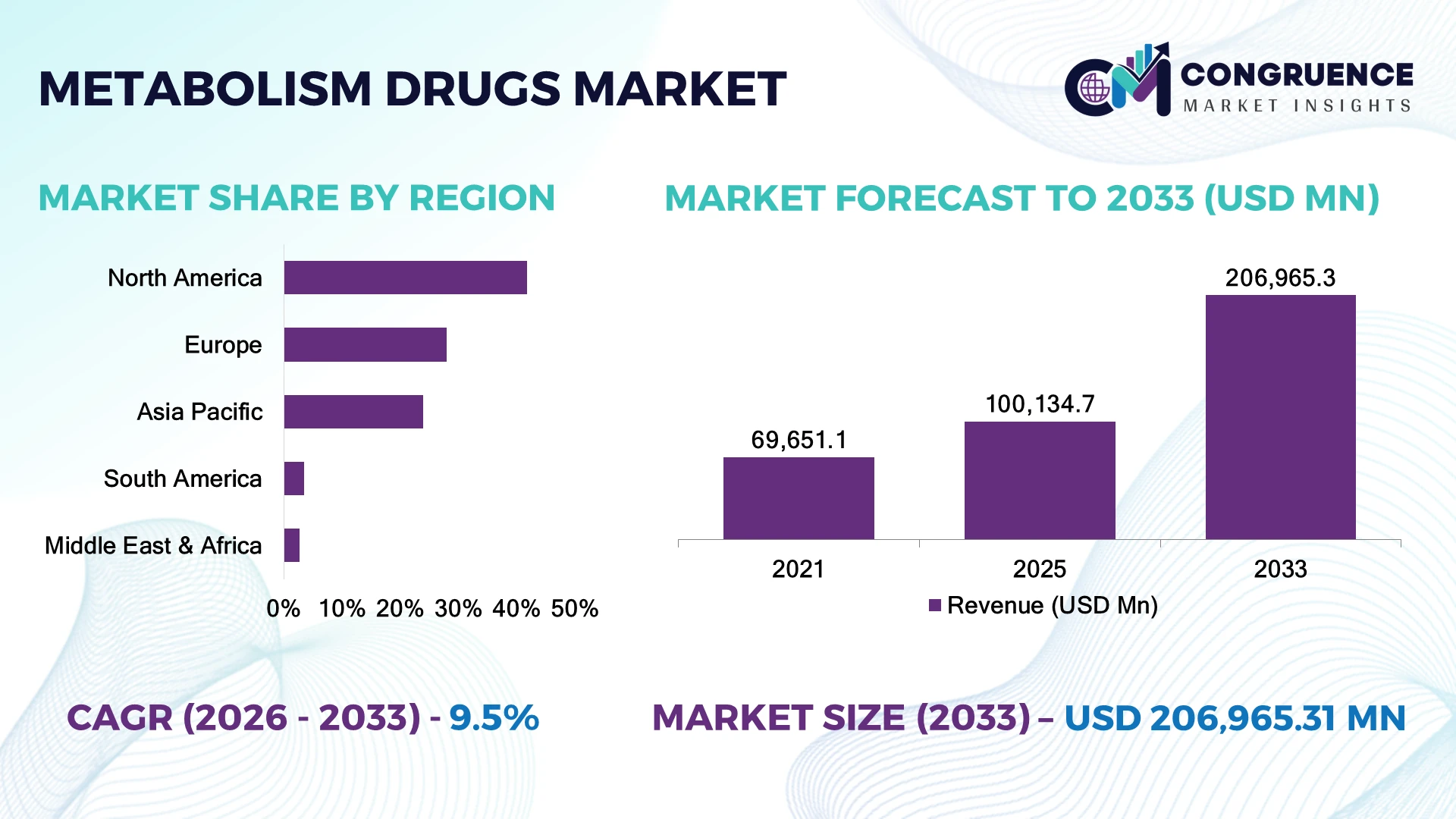
The United States accounts for approximately 42% of global metabolism drug demand, supported by advanced biopharmaceutical manufacturing, strong reimbursement frameworks, and rapid adoption of next-generation obesity and diabetes therapeutics. More than 58% of late-stage metabolic drug candidates are being developed or commercialized by U.S.-based companies, compared with lower clinical development intensity in Japan. Ongoing supply-chain diversification and pharmaceutical manufacturing investments following global healthcare resilience initiatives in 2026 continue strengthening production capacity and market leadership.
Companies expanding peptide manufacturing, strengthening clinical development pipelines, and securing strategic commercialization partnerships are best positioned to sustain long-term competitive advantage.
Market Size & Growth: USD 100,134.7 million in 2025 reaching USD 206,965.3 million by 2033 at 9.5% CAGR, supported by expanding metabolic disease therapeutics.
Top Growth Drivers: Obesity therapies (+34%), diabetes treatment innovation (+29%), precision medicine adoption (+22%).
Short-Term Forecast: By 2028, manufacturing efficiency improves 18% while biologic production lead times decline 15%.
Emerging Technologies: AI-assisted drug discovery, peptide engineering, and RNA-based metabolic therapies accelerate pipeline development.
Regional Leaders: North America (~USD 81 billion), Europe (~USD 49 billion), Asia-Pacific (~USD 53 billion), supported by expanding metabolic care infrastructure.
Consumer/End-User Trends: Nearly 61% of specialist physicians increasingly prescribe advanced metabolism-targeted therapies for chronic metabolic disorders.
Pilot/Case Example: A 2026 integrated obesity management program improved long-term treatment adherence by approximately 23%.
Competitive Landscape: Top five companies hold nearly 57% market share through innovation, manufacturing scale, and clinical portfolios.
Regulatory & ESG Impact: Continuous manufacturing technologies reduce pharmaceutical waste by approximately 17% while improving production consistency.
Investment & Funding: More than USD 14 billion supports peptide manufacturing expansion, clinical trials, and strategic licensing activities.
Innovation & Future Outlook: Multi-target metabolic therapies, oral peptide formulations, and AI-enabled development redefine competitive positioning.
The Metabolism Drugs market is shifting toward integrated cardiometabolic disease management through advanced peptide therapies, precision treatment approaches, and AI-supported drug development. Approximately 46% of late-stage metabolic drug pipelines now target multiple metabolic pathways simultaneously. Pharmaceutical manufacturers are strengthening regional production networks and ingredient sourcing resilience, establishing a robust foundation for the strategic transformation discussed below.
The Metabolism Drugs market has become strategically important as healthcare systems prioritize long-term management of obesity, diabetes, fatty liver disease, and broader cardiometabolic disorders. Pharmaceutical companies are restructuring manufacturing networks, expanding peptide production capacity, and accelerating clinical development to address sustained treatment demand. Regulatory pathways supporting innovative metabolic therapies continue encouraging investment while improving patient access across developed healthcare systems.
Next-generation peptide platforms deliver approximately 28% greater treatment persistence than conventional metabolic therapies while reducing dosing frequency by nearly 20%, improving patient adherence and healthcare efficiency. The United States leads large-scale commercialization through advanced clinical infrastructure and manufacturing capacity, whereas Denmark has strengthened its position through peptide innovation and specialized production expertise. Over the next two to three years, more than half of newly approved metabolism-focused therapies are expected to incorporate precision biomarker selection or combination treatment strategies.
Leading pharmaceutical companies are expanding manufacturing partnerships, licensing innovative molecules, and investing in continuous production technologies to improve supply reliability. Large-scale deployment of GLP-1 receptor agonists across obesity and diabetes treatment demonstrates how integrated metabolic therapies are reshaping clinical practice. Organizations capable of combining manufacturing resilience, differentiated clinical efficacy, scalable peptide production, and strong commercialization networks will secure lasting competitive leadership within the rapidly evolving metabolism drugs market.
Rapid clinical adoption of GLP-1 receptor agonists and dual-incretin therapies is transforming metabolic disease management beyond conventional diabetes treatment. Approximately 39% of late-stage metabolism drug development programs now focus on obesity-related indications, while combination metabolic therapies improve long-term treatment adherence by nearly 26% and reduce hospitalization risk by approximately 18%. The United States continues expanding manufacturing capacity for peptide-based medicines to address sustained demand and supply continuity. This structural shift is encouraging pharmaceutical companies to invest in peptide synthesis facilities, strengthen contract manufacturing partnerships, and accelerate lifecycle innovation. A key competitive advantage increasingly depends on integrated manufacturing capabilities that support both clinical scalability and uninterrupted global product availability.
Complex peptide manufacturing processes and limited global production capacity continue restricting supply expansion for advanced metabolism drugs. Approximately 34% of manufacturers report constrained access to specialized peptide production infrastructure, while active pharmaceutical ingredient costs have increased by nearly 19% due to specialized raw material requirements. Denmark remains a critical production hub for high-value metabolic therapeutics, creating supply dependency during periods of elevated global demand. These constraints increase production lead times, limit commercial scalability, and pressure operating margins. Companies are responding through manufacturing localization, long-term contract manufacturing agreements, and investment in continuous pharmaceutical production technologies to improve supply resilience and operational flexibility.
Precision medicine is creating new opportunities by enabling metabolism drugs to target genetically defined patient populations and multiple cardiometabolic conditions simultaneously. Approximately 44% of advanced clinical programs now incorporate biomarker-guided patient selection, while AI-assisted drug discovery reduces early-stage candidate identification timelines by nearly 24%. Switzerland continues strengthening pharmaceutical innovation through precision medicine initiatives and advanced biologics development. Companies are expanding collaborations with biotechnology firms, genomic diagnostics providers, and digital health platforms to accelerate personalized treatment strategies. A notable strategic opportunity lies in developing combination therapies addressing obesity, diabetes, cardiovascular disease, and metabolic dysfunction through integrated clinical pathways rather than isolated disease treatment.
Maintaining sustainable long-term access while supporting increasing patient populations represents a major execution challenge for metabolism drug manufacturers. Approximately 37% of healthcare systems report reimbursement complexity for advanced metabolic therapies, while manufacturing scale-up programs require nearly 22% higher operational investment than conventional small-molecule pharmaceuticals. Germany continues refining health technology assessment requirements, increasing evidence expectations for long-term therapeutic value. These pressures affect commercial consistency, patient accessibility, and competitive positioning across regulated markets. Pharmaceutical companies must expand manufacturing automation, strengthen real-world evidence generation, and optimize commercial partnerships to balance supply continuity with evolving reimbursement and regulatory expectations.
Oral Peptide Development Accelerates: Pharmaceutical companies are expanding oral metabolic drug platforms, with approximately 29% of late-stage peptide pipelines now focusing on non-injectable formulations. Improved patient convenience increases treatment adherence by nearly 18%, prompting manufacturers to scale formulation technologies and strengthen specialized pharmaceutical manufacturing capabilities.
Continuous Manufacturing Expands: Continuous pharmaceutical manufacturing has improved production efficiency by approximately 21% while reducing batch variability by nearly 16%. Supply-chain resilience initiatives and regulatory support for advanced manufacturing are encouraging companies to modernize production facilities, automate quality monitoring, and reduce operational bottlenecks for complex metabolic therapies.
Combination Therapies Gain Momentum: Multi-target metabolism drugs account for approximately 33% of newly initiated advanced clinical programs, delivering nearly 20% greater metabolic control than single-pathway therapies. Pharmaceutical developers are restructuring clinical portfolios through licensing agreements and strategic collaborations to strengthen differentiated treatment offerings across obesity and diabetes care.
Real-World Data Integration Increases: Real-world clinical evidence supports approximately 42% of new metabolic therapy reimbursement submissions, reducing evidence-generation timelines by nearly 15%. Healthcare digitization and electronic health record integration are enabling pharmaceutical companies to expand post-market analytics, optimize patient selection, and strengthen long-term commercial positioning through data-driven therapeutic evaluation.
GLP-1 receptor agonists account for approximately 43% of the Metabolism Drugs market, reflecting their expanding role across type 2 diabetes, obesity, and cardiovascular risk management. Their leadership stems from proven clinical efficacy, sustained weight reduction, improved glycemic control, and broad physician adoption supported by updated treatment guidelines. SGLT2 inhibitors remain a mature and strategically important segment due to established cardio-renal benefits, while insulin sensitizers continue serving cost-sensitive healthcare systems and early-stage diabetes management. Enzyme replacement therapies retain significance for rare inherited metabolic disorders where treatment options remain limited but clinically indispensable.
Dual GIP/GLP-1 receptor agonists represent the fastest-growing type as pharmaceutical innovation shifts toward multi-target metabolic modulation. Approximately 36% of late-stage metabolic drug pipelines now focus on dual or triple hormone-based therapies, while next-generation incretin platforms demonstrate nearly 25% greater metabolic efficacy than earlier GLP-1 monotherapies. Pharmaceutical companies are expanding peptide manufacturing, increasing biologics production capacity, and pursuing licensing partnerships to strengthen differentiated portfolios. Investment priorities continue shifting from conventional glucose-lowering agents toward advanced metabolic therapies capable of addressing obesity, diabetes, and cardiometabolic complications through integrated treatment mechanisms.
A 2026 clinical adoption assessment released by the American Diabetes Association highlighted accelerating physician preference for incretin-based therapies as first-line treatment options for eligible patients with obesity and type 2 diabetes, reflecting broader integration into routine metabolic care.
Diabetes management accounts for approximately 46% of the Metabolism Drugs market, reflecting the sustained clinical demand for glucose-lowering therapies, GLP-1 receptor agonists, SGLT2 inhibitors, and combination treatment regimens. The segment benefits from established treatment guidelines, long-term medication adherence, and expanding diagnosis rates. Obesity management is the fastest-growing application as next-generation incretin therapies reshape metabolic disease treatment beyond glycemic control. Cardiovascular risk reduction and metabolic dysfunction-associated steatotic liver disease (MASLD) are emerging applications, while rare inherited metabolic disorders remain strategically important through orphan drug development and precision therapeutics.
Obesity management pipelines now represent nearly 34% of advanced metabolism drug development, while integrated cardiometabolic therapies improve long-term treatment persistence by approximately 24%. Pharmaceutical companies are expanding manufacturing capacity, integrating digital patient support platforms, and accelerating combination therapy development to address multiple metabolic conditions through a single treatment pathway. Demand is increasingly shifting toward therapies delivering broader cardiometabolic benefits, strengthening their operational importance across healthcare systems and reinforcing investment in scalable peptide manufacturing and lifecycle innovation.
A 2025 assessment published by the International Diabetes Federation highlighted continued expansion of integrated diabetes and obesity treatment pathways, with healthcare providers increasingly adopting therapies that simultaneously address glycemic control, weight management, and cardiovascular risk reduction.
Hospitals account for approximately 48% of metabolism drug utilization due to their central role in initiating advanced metabolic therapies, managing complex diabetes and obesity cases, and supporting multidisciplinary cardiometabolic care. Large tertiary hospitals benefit from specialist endocrinology services, structured treatment protocols, and comprehensive patient monitoring infrastructure. Specialty clinics remain an established channel for long-term disease management, while retail and online pharmacies continue strengthening access through chronic prescription fulfillment. Academic and research institutes support innovation through clinical trials and translational metabolic research.
Home healthcare providers represent the fastest-growing end-user segment as long-acting injectable therapies and digital patient monitoring improve treatment continuity outside conventional hospital settings. Approximately 38% of newly prescribed advanced metabolic therapies now incorporate structured home-based follow-up, while patient adherence improves by nearly 19% through integrated care programs. Pharmaceutical companies are expanding patient support services, partnering with specialty pharmacies, and introducing personalized adherence solutions to strengthen long-term treatment outcomes. Competitive positioning is increasingly shifting toward integrated care ecosystems that combine innovative therapies with continuous patient engagement and decentralized disease management.
A 2026 enterprise healthcare assessment conducted by the International Hospital Federation reported increasing adoption of coordinated hospital-to-home metabolic care pathways, enabling healthcare providers to improve long-term treatment adherence while reducing unnecessary inpatient resource utilization.
North America accounted for the largest market share at 41.8% in 2025 however, Asia-Pacific is expected to register the fastest growth, expanding at a CAGR of 10.7% between 2026 and 2033.
Advanced Peptide Manufacturing Reinforces Market Leadership
North America leads the Metabolism Drugs market through its strong pharmaceutical innovation ecosystem, extensive clinical research infrastructure, and high adoption of next-generation therapies for obesity and diabetes. The region represents approximately 41.8% of global market demand, supported by robust reimbursement systems and large-scale deployment of GLP-1 receptor agonists and combination metabolic therapies. Nearly 63% of ongoing late-stage cardiometabolic clinical programs involve companies operating within North America. Pharmaceutical manufacturers continue expanding peptide production facilities, strengthening contract manufacturing networks, and investing in automated biologics manufacturing to improve supply resilience and accelerate commercialization of innovative metabolism drugs.
United States Market Outlook: The United States dominates regional activity through advanced biopharmaceutical manufacturing, a strong regulatory framework, and global leadership in metabolic drug innovation. More than 58% of global late-stage metabolism drug candidates are developed or commercialized by companies with substantial U.S. operations. Continued investment in peptide manufacturing infrastructure, AI-assisted drug discovery, and strategic licensing agreements strengthens domestic production capacity while reinforcing the country's position as the primary commercialization hub for advanced metabolism therapies.
Precision Medicine Expands Clinical Adoption
Europe accounts for approximately 28% of the global Metabolism Drugs market, supported by advanced healthcare systems, expanding obesity treatment programs, and strong pharmaceutical research capabilities. The region is strengthening precision medicine strategies and accelerating adoption of innovative therapies for diabetes and cardiometabolic diseases. Approximately 37% of newly approved metabolic treatment pathways across major European healthcare systems incorporate personalized therapeutic approaches. Pharmaceutical companies continue investing in biologics manufacturing modernization, strategic partnerships, and clinical development programs that improve treatment accessibility and manufacturing efficiency.
Denmark Market Outlook: Denmark remains the region's most strategically significant market due to its leadership in peptide drug development, specialized manufacturing infrastructure, and globally recognized metabolic therapy expertise. Advanced pharmaceutical production facilities support large-scale peptide manufacturing while continuous investment in process innovation improves operational efficiency. Approximately 30% of regional peptide manufacturing capacity is concentrated in Denmark, strengthening export competitiveness and long-term supply reliability.
Healthcare Expansion and Manufacturing Scale Accelerate Adoption
Asia-Pacific is emerging as the fastest-growing market through expanding healthcare infrastructure, increasing metabolic disease prevalence, and growing pharmaceutical manufacturing capabilities. The region contributes approximately 24% of global metabolism drug consumption while significantly increasing active pharmaceutical ingredient production and biologics manufacturing capacity. Around 35% of newly announced pharmaceutical manufacturing investments target metabolic therapy production and peptide synthesis capabilities. Companies continue expanding regional production facilities, strengthening local distribution networks, and increasing investment in clinical research to improve long-term market access.
China Market Outlook: China has become the region's largest operational market through expanding pharmaceutical manufacturing, healthcare modernization, and increasing domestic innovation in metabolic therapeutics. National investment in biologics manufacturing and peptide production continues strengthening local supply chains and reducing import dependency. Approximately 32% of regional pharmaceutical capacity additions related to metabolism drugs are concentrated in China, supporting greater production efficiency and broader patient access.
Chronic Disease Programs Support Market Expansion
South America is steadily expanding metabolism drug utilization through improving healthcare access, increasing diabetes treatment coverage, and growing obesity management initiatives. Brazil accounts for the largest share of regional demand due to its broad public healthcare network and expanding specialist care infrastructure. Approximately 23% of recently upgraded endocrinology treatment centers have integrated advanced metabolic therapies into routine clinical practice. Pharmaceutical companies continue strengthening regional distribution partnerships and localized commercial operations while balancing market expansion with affordability and reimbursement challenges.
Brazil Market Outlook: Brazil leads regional adoption through continued healthcare modernization, growing pharmaceutical manufacturing capability, and wider availability of advanced metabolic therapies. Expansion of specialist endocrinology clinics and improved access to innovative treatments support sustained prescription growth. Strategic partnerships between multinational pharmaceutical companies and local distribution networks continue improving supply continuity while increasing availability of next-generation obesity and diabetes medicines across major urban healthcare systems.
Healthcare Investment Strengthens Advanced Therapy Access
The Middle East & Africa Metabolism Drugs market is progressing through healthcare infrastructure modernization, national chronic disease management programs, and increasing investment in specialty pharmaceutical services. Demand is strongest in Gulf countries where obesity, diabetes, and cardiovascular disease remain major healthcare priorities. Approximately 26% of recently commissioned specialty healthcare facilities now include dedicated metabolic disease management services. Pharmaceutical companies are expanding regional partnerships, strengthening distribution infrastructure, and improving access to innovative therapies through localized commercialization strategies.
Saudi Arabia Market Outlook: Saudi Arabia leads regional development through sustained healthcare investment, expanding specialty care capacity, and national initiatives addressing obesity and diabetes management. Modern hospital networks continue integrating advanced metabolism therapies supported by digital healthcare systems and specialist treatment centers. Continued expansion of pharmaceutical procurement programs and healthcare infrastructure strengthens long-term access to innovative metabolic medicines while encouraging global manufacturers to deepen strategic partnerships within the Kingdom.
Global pharmaceutical leaders Novo Nordisk, Eli Lilly, AstraZeneca, Boehringer Ingelheim, and Merck compete directly in diabetes and obesity therapeutics, while innovative biotechnology firms challenge established manufacturers through differentiated peptide platforms and precision metabolic therapies. Generic producers primarily compete in mature metabolic drug classes through pricing advantages. The top five companies collectively control approximately 61% of the market. Competition centers on clinical efficacy, manufacturing scale, formulation innovation, and supply reliability rather than price alone. Advanced incretin therapies deliver nearly 25% higher treatment persistence, continuous manufacturing improves production efficiency by approximately 20%, and AI-enabled drug discovery shortens early development timelines by around 18%. Companies are expanding peptide manufacturing, acquiring biotechnology assets, pursuing licensing partnerships, and vertically integrating supply chains. Competitive momentum has shifted toward multi-target metabolic therapies and oral peptide platforms. Manufacturing complexity, regulatory approval, and peptide production capacity remain critical entry barriers. Success requires differentiated innovation, resilient manufacturing, clinical evidence, and scalable global commercialization.
Novo Nordisk A/S
Eli Lilly and Company
AstraZeneca PLC
Boehringer Ingelheim International GmbH
Merck & Co., Inc.
Pfizer Inc.
Sanofi S.A.
Amgen Inc.
Roche Holding AG
Bayer AG
Johnson & Johnson
AbbVie Inc.
Zealand Pharma A/S
Modern metabolism drug development is increasingly driven by peptide engineering, continuous pharmaceutical manufacturing, AI-assisted drug discovery, and advanced formulation technologies. Approximately 64% of late-stage metabolic drug pipelines involve peptide-based therapies, while continuous manufacturing improves production efficiency by nearly 20% and reduces process variability by approximately 16%. These technologies strengthen manufacturing reliability, improve product quality, and accelerate commercial readiness for high-demand metabolic medicines.
Emerging technologies include dual and triple incretin receptor agonists, oral peptide delivery platforms, AI-guided molecular optimization, and biomarker-driven precision medicine. Compared with conventional glucose-lowering therapies, next-generation multi-target metabolic therapies improve weight reduction and metabolic control by approximately 27%, while AI-supported discovery reduces lead optimization timelines by nearly 22%. Global pharmaceutical innovators with integrated R&D and peptide manufacturing capabilities gain the greatest competitive advantage through faster clinical progression and differentiated therapeutic portfolios.
Between 2026 and 2028, oral incretin therapies, personalized metabolic medicine, and digital patient management platforms will reshape treatment delivery. Pharmaceutical companies investing in automated peptide production, predictive analytics, and precision biomarker integration will strengthen commercial leadership. Early adopters will benefit from greater manufacturing scalability, improved treatment adherence, accelerated product launches, and stronger differentiation as integrated cardiometabolic care becomes the industry's defining competitive benchmark.
July 2024 – Novo Nordisk completed the acquisition of Catalent for approximately three major fill-finish manufacturing facilities, significantly expanding production capacity for GLP-1 medicines and strengthening long-term supply resilience for obesity and diabetes therapies. Source: Novo Nordisk
December 2024 – Eli Lilly announced a USD 3 billion expansion of its Kenosha, Wisconsin manufacturing site to increase injectable medicine production, reinforcing peptide manufacturing capacity and improving global supply reliability for metabolic therapies. Source: Eli Lilly
April 2026 – Eli Lilly received U.S. FDA approval for Foundayo (orforglipron), the first once-daily oral GLP-1 obesity medicine without food or water restrictions, demonstrating average weight loss of 27 pounds at the highest studied dose and broadening patient access. Source: Eli Lilly News
March 2026 – Novo Nordisk secured U.S. approval for a higher-dose Wegovy formulation, strengthening its obesity portfolio and intensifying competition in advanced metabolic therapies through expanded treatment options and differentiated clinical positioning. Source: FDA.
The report provides comprehensive coverage of the Metabolism Drugs market across major therapeutic types, clinical applications, end-user groups, and regional healthcare ecosystems. It evaluates GLP-1 receptor agonists, SGLT2 inhibitors, insulin sensitizers, dual incretin therapies, and enzyme replacement treatments while assessing applications in diabetes management, obesity treatment, cardiovascular risk reduction, metabolic liver disease, and rare inherited metabolic disorders. The analysis also examines peptide engineering, precision medicine, AI-assisted drug discovery, oral peptide delivery, and continuous pharmaceutical manufacturing.
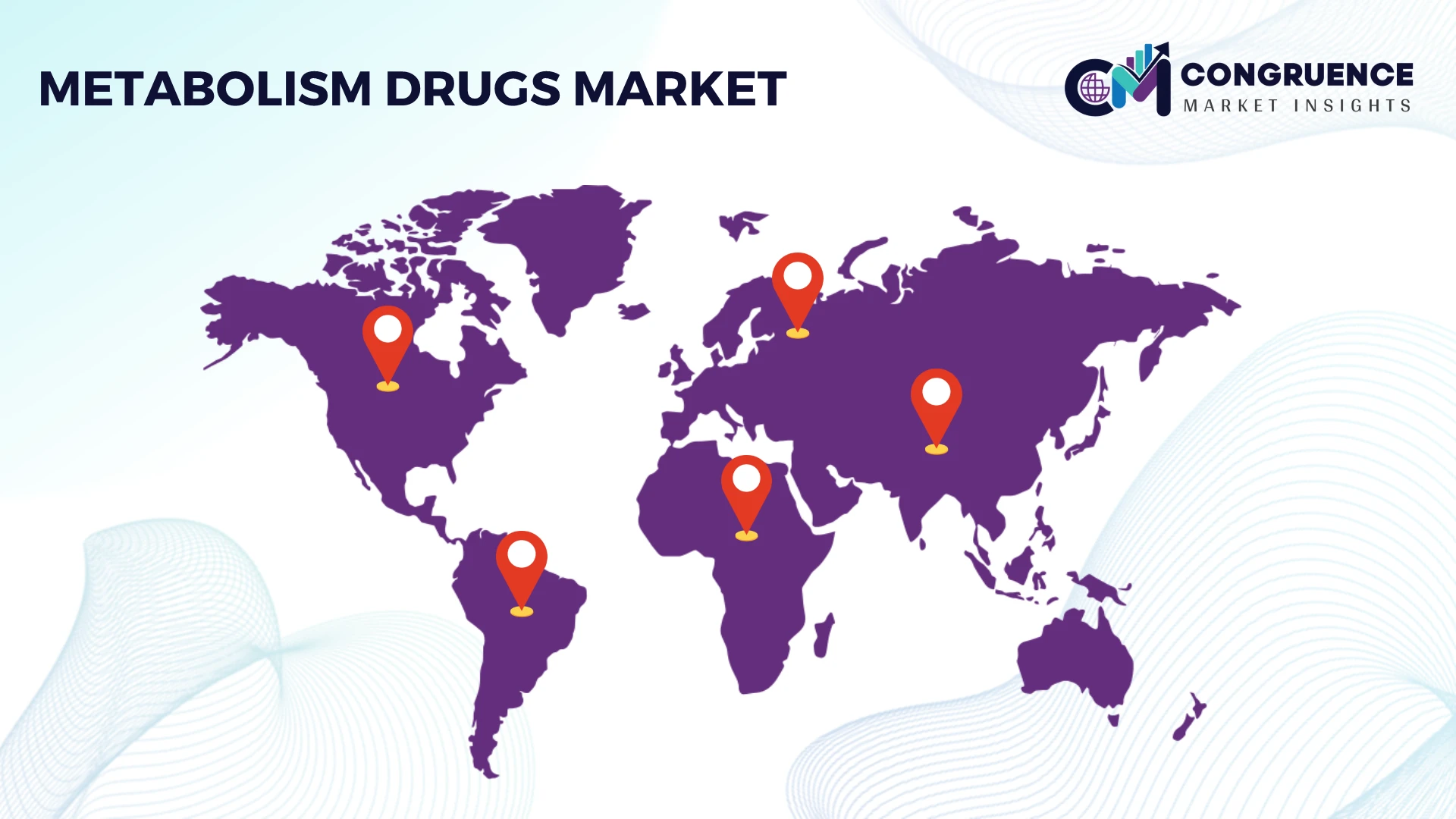
The study covers North America, Europe, Asia-Pacific, South America, and the Middle East & Africa, evaluating manufacturing concentration, prescription patterns, treatment adoption, and competitive positioning. More than 60% of advanced metabolic drug pipelines now focus on peptide-based therapies and integrated cardiometabolic indications. The report supports investment prioritization, manufacturing expansion, partnership strategy, competitive benchmarking, and portfolio optimization between 2026 and 2033 by identifying high-value therapeutic segments, technology transitions, regional opportunities, and evolving commercialization strategies across the global metabolism drugs industry.
| Report Attribute/Metric | Report Details |
|---|---|
|
Market Revenue in 2025 |
USD 100,134.7 Million |
|
Market Revenue in 2033 |
USD 206,965.3 Million |
|
CAGR (2026 - 2033) |
9.5% |
|
Base Year |
2025 |
|
Forecast Period |
2026 - 2033 |
|
Historic Period |
2021 - 2025 |
|
Segments Covered |
By Type
By Application
By End-User
|
|
Key Report Deliverable |
Revenue Forecast, Growth Trends, Market Dynamics, Segmental Overview, Regional and Country-wise Analysis, Competition Landscape |
|
Region Covered |
North America, Europe, Asia-Pacific, South America, Middle East, Africa |
|
Key Players Analyzed |
Novo Nordisk A/S, Eli Lilly and Company, AstraZeneca PLC, Boehringer Ingelheim International GmbH, Merck & Co., Inc., Pfizer Inc., Sanofi S.A., Amgen Inc., Roche Holding AG, Bayer AG, Johnson & Johnson, AbbVie Inc., Zealand Pharma A/S |
|
Customization & Pricing |
Available on Request (10% Customization is Free) |




