
Reports
The Global Beverage Crates Market was valued at USD 424.7 Million in 2025 and is anticipated to reach a value of USD 633.24 Million by 2033 expanding at a CAGR of 5.12% between 2026 and 2033. The growth is primarily supported by increasing demand for durable, reusable, and logistics-efficient beverage packaging solutions across global beverage supply chains.
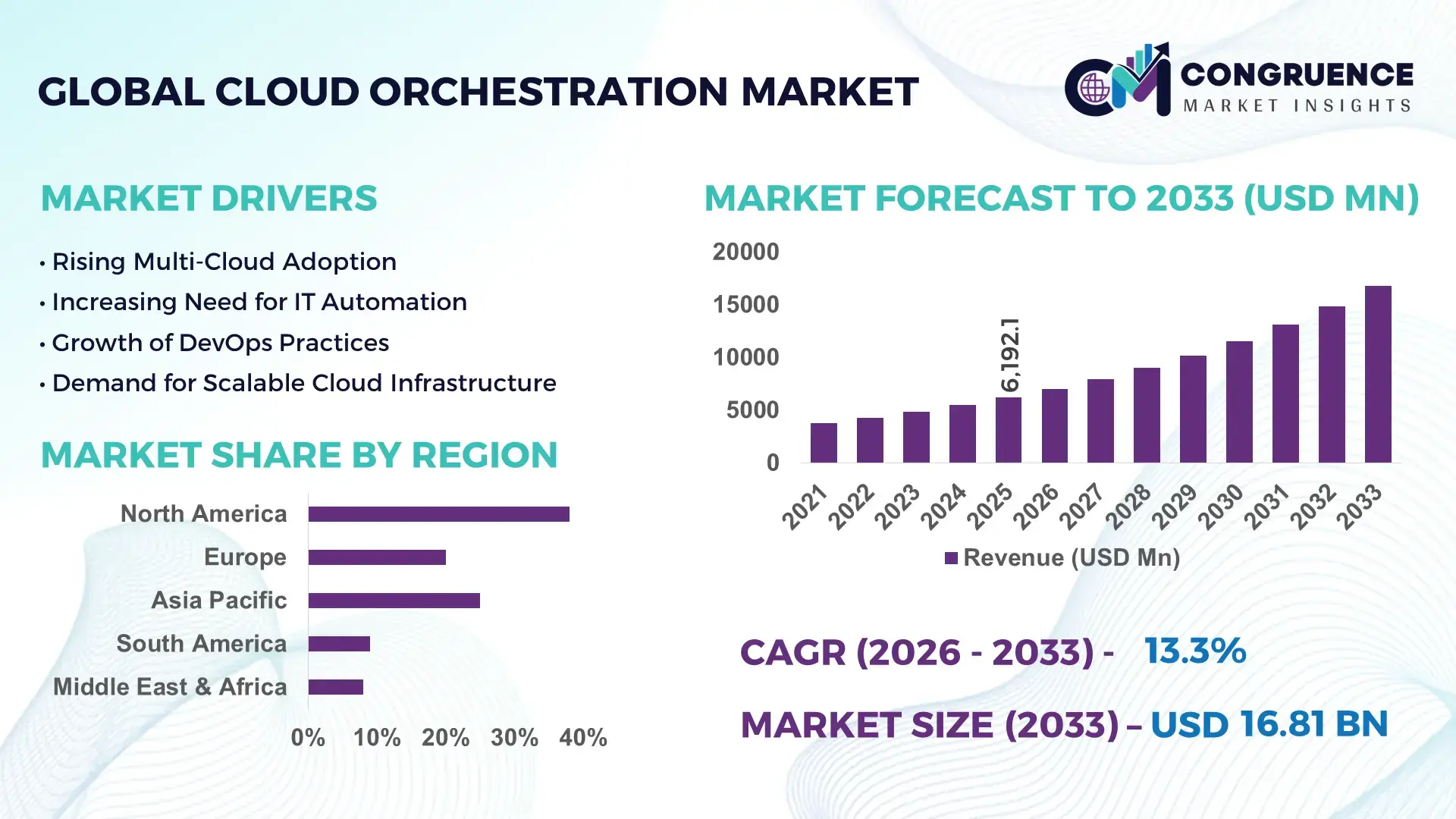
China represents one of the most significant production hubs for beverage crates due to its extensive beverage manufacturing ecosystem and advanced plastic molding infrastructure. The country has expanded its beverage packaging manufacturing capacity alongside the rapid growth of bottled water, soft drink, and ready-to-drink tea industries. In recent years, beverage production facilities across Chinese provinces have deployed hundreds of automated filling and packaging lines to improve throughput and logistics efficiency. The country also reported large-scale packaging conversions, including nearly 1.9 billion PET bottles transitioning to recycled resin formats by 2024. Additionally, large beverage processors and distribution networks are investing in reusable transport crates integrated with automated warehouse systems and RFID-enabled tracking, enabling higher operational efficiency and improved crate lifecycle management across beverage logistics operations.
Market Size & Growth: The global beverage crates market reached USD 424.7 Million in 2025 and is projected to reach USD 633.24 Million by 2033, expanding at a CAGR of 5.12%. Growth is driven by increasing beverage production volumes and rising demand for reusable logistics packaging.
Top Growth Drivers: Reusable packaging adoption rising by 38%, supply-chain automation improving logistics efficiency by 30%, and recycled polymer utilization increasing by 42% across beverage packaging operations.
Short-Term Forecast: By 2028, advanced crate tracking and automated warehouse integration are expected to reduce beverage distribution losses by nearly 18% and improve logistics efficiency by approximately 22%.
Emerging Technologies: RFID-enabled crate tracking, recycled HDPE and rPET material manufacturing, and smart warehouse integration technologies are transforming beverage crate lifecycle management and supply chain visibility.
Regional Leaders: Asia Pacific projected to reach nearly USD 275 Million by 2033 driven by beverage manufacturing expansion; Europe estimated around USD 165 Million supported by circular packaging regulations; North America approaching USD 120 Million with growth in craft beverage logistics.
Consumer/End-User Trends: Breweries, bottled water producers, and carbonated beverage manufacturers represent the largest end-users, while organized retail chains and beverage distributors increasingly adopt reusable crate logistics systems.
Pilot or Case Example: In 2024, a European beverage logistics network implemented RFID-tagged crates across regional distribution hubs, reducing crate loss by 26% and improving inventory traceability by 35%.
Competitive Landscape: Market leadership is held by a major reusable packaging provider with approximately 19% market presence, followed by leading competitors including Schoeller Allibert, Rehrig Pacific Company, Myers Industries, and Mpact.
Regulatory & ESG Impact: Circular packaging regulations in Europe and sustainability mandates across beverage supply chains are pushing companies to increase reusable packaging rates by over 40% by 2030.
Investment & Funding Patterns: Global investments exceeding USD 500 Million have recently been directed toward recyclable plastic processing, reusable crate manufacturing, and supply-chain automation technologies.
Innovation & Future Outlook: Lightweight crate design, recycled polymer manufacturing, collapsible crate systems, and digital supply-chain integration are expected to reshape beverage logistics infrastructure over the next decade.
The beverage crates market continues to evolve with the increasing integration of sustainable packaging practices and advanced logistics technologies. Beverage manufacturers account for a major share of crate demand, particularly across beer, bottled water, dairy beverages, and soft drink distribution networks. Stackable plastic crates dominate due to their durability, high load-bearing capacity, and efficient space utilization within warehouses and transportation systems. Technological innovation is also influencing product design, including lightweight materials that reduce plastic consumption by up to 20% while maintaining load capacities exceeding 100 kilograms. Additionally, regulatory pressures promoting reusable packaging and circular economy initiatives are accelerating adoption of recyclable crate materials. Regional consumption patterns show strong demand growth in Asia-Pacific beverage production hubs, while European markets emphasize returnable packaging systems supported by environmental compliance policies and advanced recycling frameworks.
The beverage crates market holds strong strategic relevance within global beverage logistics due to its role in ensuring efficient storage, transportation, and distribution of bottled and canned beverages across supply chains. Modern high-density polyethylene crate systems deliver nearly 28% higher load stability compared to conventional wooden beverage transport containers, enabling improved durability and longer operational lifecycle across beverage distribution networks. Asia-Pacific dominates in volume because of large beverage manufacturing clusters, while Europe leads in reusable packaging adoption with nearly 60% of beverage distributors integrating returnable crate logistics systems within retail supply chains. The rapid expansion of automated beverage warehouses is also accelerating demand for standardized crate designs compatible with robotic palletizing systems.
By 2028, smart crate tracking technologies combined with AI-driven warehouse management systems are expected to improve logistics efficiency by nearly 30% and reduce crate losses by over 20%. In addition, firms are committing to sustainability targets such as achieving 50% recycled plastic content in beverage transport crates by 2030. In 2024, a large beverage distribution network in Europe implemented RFID-enabled crate monitoring systems that improved crate recovery rates by approximately 24% while reducing operational inefficiencies. These developments position the beverage crates market as a critical infrastructure component supporting resilient beverage supply chains, regulatory compliance, and long-term sustainable packaging transformation.
The expansion of global beverage manufacturing is significantly increasing the demand for beverage crates used in transportation and storage. Breweries, soft drink manufacturers, bottled water producers, and dairy beverage processors require durable logistics packaging to handle large distribution volumes. Global beverage production has expanded considerably in the past decade due to rising urban populations and growing consumer demand for ready-to-drink beverages. Beverage crates offer improved handling efficiency, stackability, and protection for glass bottles and cans during transport. Modern plastic crates can withstand loads exceeding 100 kilograms and are designed for multi-cycle reuse across distribution networks. The expansion of craft beer breweries and bottled beverage exports has also strengthened demand for standardized crate systems across beverage supply chains worldwide.
Volatility in raw material prices, particularly polypropylene and high-density polyethylene used in plastic crate manufacturing, presents a significant restraint for the beverage crates market. Plastic resin prices have experienced fluctuations exceeding 20% in recent years due to supply chain disruptions and petrochemical market volatility. These cost increases directly affect crate manufacturing expenses and reduce profit margins for packaging suppliers. Additionally, beverage manufacturers operating under tight logistics budgets may delay crate replacement cycles or shift toward alternative packaging materials when resin costs rise. Smaller packaging producers are especially vulnerable to these fluctuations because they lack the purchasing power and long-term supply contracts available to larger crate manufacturers.
Sustainable packaging initiatives are creating major growth opportunities for the beverage crates market. Beverage companies are increasingly adopting reusable transport packaging to reduce environmental impact and comply with circular economy regulations. Modern beverage crates manufactured from recycled HDPE and rPET materials allow companies to significantly lower plastic consumption and carbon emissions within their supply chains. Lightweight crate designs can reduce plastic usage by up to 20% while maintaining structural strength. In addition, many beverage producers are implementing closed-loop logistics systems where crates are collected, cleaned, and reused across distribution cycles. This approach not only supports environmental compliance but also improves cost efficiency over the lifecycle of beverage transport packaging systems.
Crate management and logistics complexity remain significant operational challenges in the beverage crates market. Beverage crates are typically reused across multiple supply chain cycles involving breweries, distributors, retailers, and hospitality venues. This complex circulation network often results in crate losses, damage, and inventory tracking difficulties. In large beverage distribution networks, crate loss rates can reach double-digit percentages annually if proper tracking systems are not implemented. Additionally, damaged crates require replacement or recycling, increasing operational costs for beverage producers. Implementing advanced tracking technologies such as RFID tags and digital crate management platforms can reduce these losses, but adoption requires additional capital investment and supply chain integration efforts.
• Rapid Adoption of Recycled Plastic Crates Across Beverage Supply Chains:
The transition toward recycled polymer materials is accelerating across the beverage crates market as manufacturers prioritize sustainability and circular packaging systems. More than 60% of newly manufactured beverage crates now incorporate recycled high-density polyethylene (rHDPE) or recycled polypropylene materials. Beverage companies are targeting packaging systems containing at least 50% recycled content by 2030. In Europe alone, over 1.3 billion reusable beverage crates are currently circulating within deposit-return logistics networks. Additionally, lifecycle studies indicate that reusable plastic crates can complete over 120 distribution cycles before recycling, reducing packaging waste generation by nearly 75% compared with single-use transport packaging solutions.
• Expansion of RFID and Smart Tracking Systems for Crate Management:
Digital tracking technologies are transforming crate management across large beverage distribution networks. Approximately 35% of beverage logistics operators have already implemented RFID-enabled crate tracking systems, enabling real-time monitoring of crate circulation and asset recovery. These systems can reduce crate loss rates by nearly 28% while improving inventory accuracy by more than 30%. Advanced warehouse management platforms integrated with smart crates also allow automated sorting and palletizing operations. In North America and Western Europe, over 40% of large beverage bottling facilities now integrate crate tracking sensors within automated logistics infrastructures to improve distribution efficiency and reduce operational losses.
• Increasing Demand for Lightweight and High-Load Structural Designs:
Manufacturers are focusing on lightweight crate engineering to improve transport efficiency while maintaining structural strength. New generation beverage crates reduce material consumption by nearly 18% while still supporting load capacities exceeding 110 kilograms. Lightweight crates also improve truckload efficiency, allowing up to 12% more units per shipment compared with older crate models. Beverage distribution networks handling high-volume glass bottle transportation particularly benefit from reinforced crate designs with shock-absorption ribs and improved stackability. By 2025, nearly 45% of newly deployed beverage crates in global beverage logistics networks feature redesigned lightweight polymer structures optimized for automated warehouse handling.
• Growth of Automated Warehouse Integration and Logistics Robotics:
Automation within beverage distribution centers is significantly influencing crate design and usage. Approximately 48% of major beverage bottling facilities have implemented robotic palletizing or automated storage and retrieval systems compatible with standardized crate dimensions. These systems can increase warehouse throughput by nearly 32% while reducing manual handling requirements by up to 40%. Beverage producers are increasingly standardizing crate formats to ensure compatibility with automated conveyor belts, robotic sorters, and AI-enabled inventory platforms. As beverage production volumes continue expanding globally, automated logistics systems are expected to process more than 65% of reusable crate movements within large beverage warehouses by the end of the decade.
The beverage crates market demonstrates clear segmentation across product types, applications, and end-user industries that shape overall demand patterns. Plastic beverage crates dominate product types due to durability, stackability, and resistance to moisture and chemicals. Application segments are primarily concentrated in beverage transportation, storage, and retail distribution logistics where crate systems enable efficient handling of bottled and canned beverages. End-user demand is largely driven by breweries, bottled water manufacturers, soft drink producers, and beverage distribution companies. Increasing beverage consumption in emerging economies is strengthening demand for reusable crate logistics, while developed markets emphasize advanced crate tracking, sustainability compliance, and automated warehouse compatibility within beverage distribution networks.
Plastic beverage crates represent the dominant product category in the beverage crates market, accounting for approximately 72% of global adoption due to their durability, lightweight structure, and ability to withstand repeated logistics cycles. These crates are typically manufactured using high-density polyethylene or polypropylene and can support loads exceeding 100 kilograms while maintaining long operational lifespans. Compared with alternative materials, plastic crates provide superior resistance to moisture and corrosion, making them suitable for beverage bottling environments and refrigerated supply chains. Collapsible beverage crates are currently the fastest-growing type, expanding at an estimated 7.6% growth rate as beverage distributors prioritize space-efficient logistics solutions. These crates reduce storage and transportation space requirements by nearly 50% when folded, improving warehouse utilization and return logistics efficiency.
Metal beverage crates and wooden crates collectively account for roughly 28% of the market, serving niche applications in heavy glass bottle transport or traditional brewery operations. Wooden crates remain popular among certain craft breweries for premium product presentation, while metal crates are used in industrial beverage bottling environments where higher durability is required.
Beverage transportation represents the leading application segment, accounting for approximately 58% of beverage crate usage globally. Beverage producers rely heavily on crates to safely transport glass bottles, aluminum cans, and PET bottles across distribution networks. High-strength crate designs prevent bottle breakage during long-distance transport, while stackable crate systems improve storage density in shipping containers and delivery vehicles. Retail distribution and supermarket logistics represent the fastest-growing application segment with an estimated 6.9% growth rate, driven by the expansion of organized retail chains and automated distribution centers. Modern beverage retailers increasingly deploy standardized crate systems compatible with robotic sorting and warehouse automation technologies.
Other applications include beverage storage within manufacturing plants and hospitality supply chains such as restaurants, bars, and hotels. These segments collectively account for nearly 42% of total crate demand, particularly in regions where returnable bottle systems remain widely used.
Breweries and beer manufacturers represent the largest end-user segment in the beverage crates market, accounting for nearly 41% of total crate demand. Beer distribution heavily relies on reusable crate systems due to the widespread use of glass bottles in many regions. Breweries typically operate closed-loop logistics systems where crates are returned, sanitized, and reused for multiple bottling cycles. Bottled water and soft drink manufacturers are the fastest-growing end-user segment with an estimated 7.1% growth rate. Rising global consumption of bottled water and carbonated beverages has significantly increased demand for high-capacity crate systems that support high-volume distribution networks.
Other end-users include dairy beverage producers, beverage wholesalers, and hospitality distributors, collectively accounting for roughly 59% of crate usage across global beverage logistics networks. These industries utilize crates for efficient storage, transport, and inventory management within supply chains.
Asia-Pacific accounted for the largest market share at 41% in 2025 however, Europe is expected to register the fastest growth, expanding at a CAGR of 6.4% between 2026 and 2033.
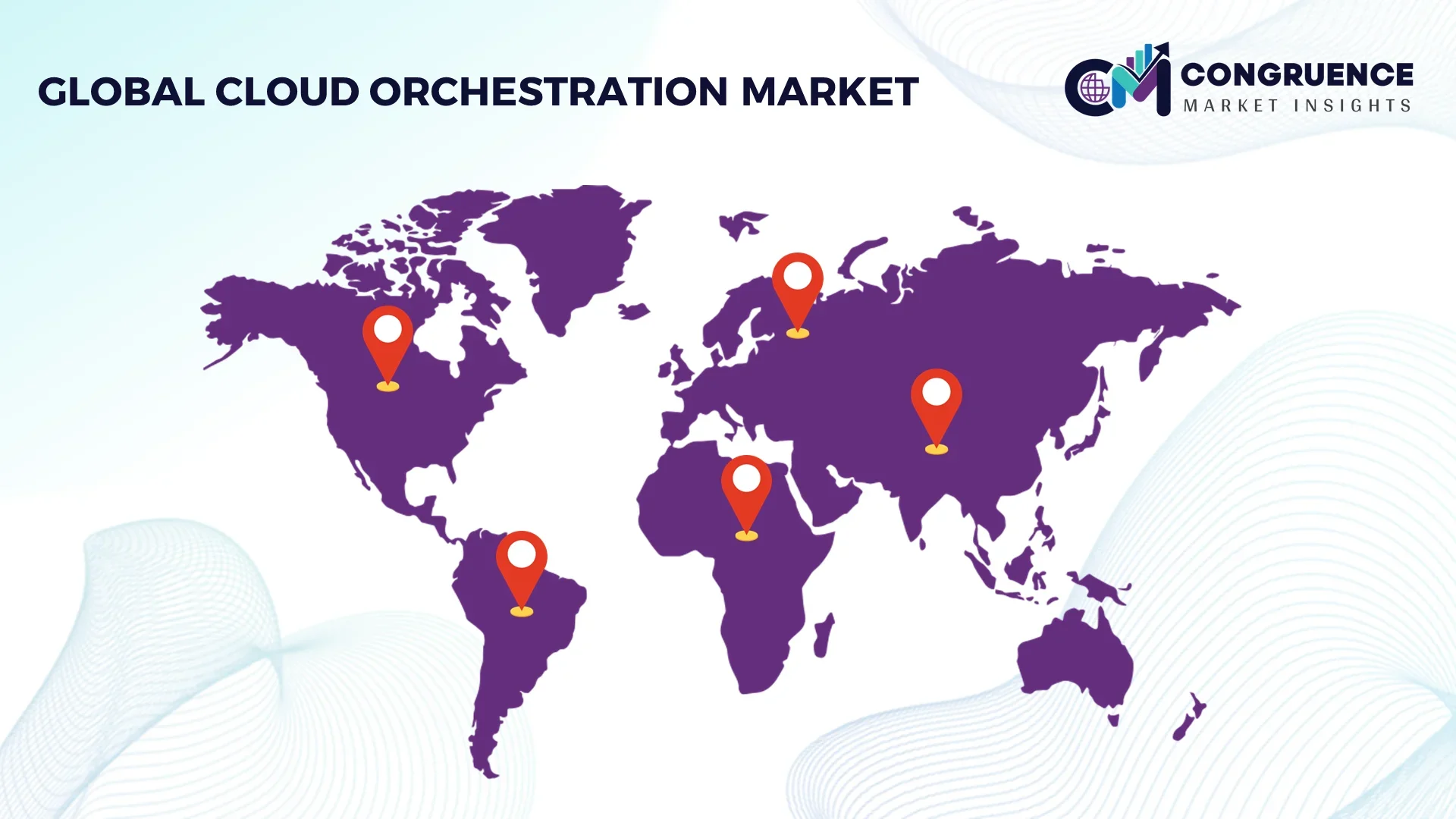
Asia-Pacific recorded production volumes exceeding 520 million beverage crates annually, driven by large beverage manufacturing hubs in China, India, and Japan. North America held nearly 24% market share supported by high demand from breweries and bottled beverage logistics. Europe represented approximately 22% of global demand, where deposit-return packaging systems circulate over 1.5 billion reusable beverage crates across retail supply chains. South America contributed nearly 8% of the market, with Brazil producing more than 70 million beverage transport crates annually. Middle East & Africa accounted for around 5%, supported by expanding beverage bottling infrastructure and regional distribution networks.
How Are Advanced Logistics and Beverage Distribution Networks Transforming Reusable Packaging Demand?
North America represents approximately 24% of the global beverage crates market, driven by large-scale beer, bottled water, and carbonated beverage industries. The United States accounts for over 70% of regional crate demand due to its extensive beverage distribution network serving more than 150,000 retail outlets. Sustainability regulations encouraging reusable packaging have accelerated adoption of recyclable plastic crates. Nearly 45% of beverage warehouses now deploy automated palletizing systems compatible with standardized crate dimensions. Rehrig Pacific Company is actively introducing lightweight recyclable crate solutions designed to reduce plastic use by nearly 20% while maintaining high load strength. Consumer behavior shows strong preference for reusable logistics packaging as beverage distributors seek durable systems capable of completing more than 100 reuse cycles.
What Role Do Circular Packaging Regulations Play in Accelerating Reusable Crate Adoption?
Europe holds nearly 22% of the global beverage crates market, supported by strong beverage production in Germany, the United Kingdom, France, and the Netherlands. Germany alone circulates over 300 million reusable beverage crates through its deposit-return bottle system. Strict environmental regulations encouraging circular packaging have pushed beverage producers to adopt crates made with over 50% recycled plastic content. Automation technologies including RFID crate tracking and automated sorting systems are used by approximately 40% of large beverage distribution centers. Schoeller Allibert has expanded its recycled polymer crate manufacturing across European facilities to support sustainable logistics infrastructure. Consumer behavior emphasizes environmentally responsible packaging, with more than 60% of beverage distributors prioritizing reusable packaging systems across retail supply chains.
Why Is Industrial Beverage Production Driving Massive Logistics Packaging Demand?
Asia-Pacific leads global beverage crate consumption, accounting for nearly 41% of market demand. China, India, and Japan are the largest consuming countries due to rapidly expanding bottled water, soft drink, and ready-to-drink tea industries. China alone operates more than 4,000 beverage bottling plants producing hundreds of millions of beverage transport crates annually. The region also hosts several plastic injection molding manufacturing hubs supplying durable logistics packaging to beverage distributors. Technological innovation includes automated crate handling systems integrated into high-volume beverage warehouses processing over 50,000 crates daily. Companies such as Supreme Industries in India are expanding reusable crate production capacity to meet rising beverage logistics requirements. Regional consumer behavior shows strong growth in packaged beverage consumption and rapid retail distribution expansion.
How Are Expanding Beverage Distribution Networks Creating Opportunities for Reusable Packaging?
South America accounts for nearly 8% of global beverage crate demand, with Brazil and Argentina serving as the largest regional markets. Brazil’s beverage industry produces more than 30 billion liters of soft drinks and beer annually, generating substantial demand for durable crate systems. Regional governments are introducing recycling incentives to increase reusable packaging usage across beverage supply chains. Modernization of distribution infrastructure, including automated warehouse storage systems, is gradually expanding across beverage producers. Mpact Limited has increased its reusable crate manufacturing operations supplying beverage companies across Latin America. Consumer behavior demonstrates strong reliance on returnable glass bottle systems, particularly in beer distribution networks where reusable crates are used for multiple transportation cycles.
How Are Industrial Beverage Investments Expanding Transport Packaging Infrastructure?
Middle East & Africa represent approximately 5% of the beverage crates market, supported by expanding beverage production facilities in the United Arab Emirates, Saudi Arabia, and South Africa. Rapid urbanization and tourism growth have increased demand for bottled water and soft drinks, with regional beverage output exceeding 25 billion liters annually. Logistics modernization programs are encouraging adoption of standardized plastic crate systems across beverage supply chains. Reusable crate designs capable of completing over 90 reuse cycles are gaining popularity in large beverage bottling plants. Nampak Limited has expanded durable crate manufacturing in South Africa to support regional beverage logistics networks. Consumer behavior reflects growing preference for packaged beverages, particularly bottled water products distributed through large retail and hospitality channels.
China – 29% market share: China dominates the Beverage Crates market due to large-scale beverage production infrastructure and extensive plastic packaging manufacturing capacity supporting millions of reusable logistics crates annually.
United States – 21% market share: The United States maintains strong leadership in the Beverage Crates market through advanced beverage distribution systems, high beer production volumes, and widespread adoption of reusable logistics packaging across national retail networks.
The beverage crates market operates within a moderately fragmented competitive environment with more than 80 active manufacturers globally producing reusable plastic, metal, and wooden crate solutions. The top five companies collectively control approximately 38% of the global market, reflecting the presence of several regional packaging manufacturers alongside established global suppliers. Major players are focusing heavily on sustainable materials, lightweight crate designs, and digital logistics technologies to strengthen their competitive positions.
Innovation is a central competitive factor, with leading companies investing in recycled polymer crate manufacturing capable of incorporating over 50% recycled plastic content while maintaining structural durability exceeding 100-kilogram load capacity. Several manufacturers are also introducing collapsible crate systems that reduce empty return transport space by nearly 45%, enabling improved logistics efficiency for beverage distributors.
Strategic partnerships between crate manufacturers and beverage companies are increasing. Over 35% of major beverage producers now collaborate with packaging suppliers to implement closed-loop crate reuse systems across distribution networks. Mergers and facility expansions are also shaping competition, particularly in Asia-Pacific where plastic injection molding capacity for beverage crates has expanded by more than 20% in the past five years. Digital tracking technologies such as RFID crate identification and automated warehouse integration further differentiate leading competitors by improving supply chain transparency and crate lifecycle management.
Schoeller Allibert
Rehrig Pacific Company
Myers Industries
Supreme Industries
Nampak Limited
Mpact Limited
Nilkamal Limited
Craemer Group
Georg Utz Holding AG
Bekuplast GmbH
Plastic Omnium
Brambles Limited
Technological innovation in the beverage crates market is largely centered on material engineering, digital tracking, and automation compatibility. Advanced high-density polyethylene (HDPE) and polypropylene compounds now enable beverage crates to withstand loads exceeding 110 kilograms while maintaining structural stability for more than 100 reuse cycles. Manufacturers are increasingly integrating recycled polymer content of 40–60% into crate designs to support circular packaging initiatives without compromising durability.
Digital asset tracking technologies are becoming widely adopted across beverage distribution networks. RFID-enabled crates allow companies to monitor crate location, movement cycles, and return rates across supply chains. In large beverage logistics networks, RFID tracking has demonstrated improvements of up to 30% in inventory visibility and reductions of nearly 25% in crate loss.
Automation compatibility is another key technological focus. Standardized crate dimensions and reinforced base structures allow automated warehouse systems to process over 40,000 crates per day using robotic palletizers and conveyor sorting systems. Additionally, lightweight crate engineering is reducing plastic consumption by up to 18% while increasing stacking stability. Emerging innovations also include collapsible crate systems capable of reducing reverse logistics transport space by nearly 45%, as well as smart sensors embedded in crates to track temperature exposure and handling conditions during beverage distribution.
• In February 2025, Schoeller Allibert expanded its reusable transport packaging portfolio with new recycled-content beverage crates produced using advanced polymer processing technology. The crates incorporate more than 50% recycled plastic while maintaining industrial durability and are designed for automated warehouse handling. Source: www.schoellerallibert.com
• In September 2024, Rehrig Pacific Company launched a new lightweight beverage crate series designed for beverage distributors operating high-volume logistics networks. The design reduced plastic material usage by approximately 18% while maintaining structural strength capable of supporting loads above 100 kilograms. Source: www.rehrigpacific.com
• In April 2025, Nilkamal Limited expanded its industrial packaging manufacturing capacity in India to meet rising demand for reusable logistics crates across beverage and food distribution networks. The expansion increased crate production capacity by nearly 20% and included new automated plastic injection molding lines. Source: www.nilkamal.com
• In November 2024, Craemer Group introduced an upgraded reusable crate design optimized for automated palletizing and robotic warehouse systems. The new crate features reinforced stacking structures and improved load stability, enabling more efficient transport of bottled beverages across high-volume logistics operations. Source: www.craemer.com
The Beverage Crates Market Report provides a comprehensive evaluation of global industry dynamics, covering product types, applications, end-user sectors, technological developments, and regional demand patterns. The report analyzes multiple product categories including plastic beverage crates, collapsible crates, metal crates, and wooden crates, with plastic variants accounting for more than 70% of industry adoption due to durability and long lifecycle performance.
Application analysis focuses on beverage transportation, warehouse storage, and retail distribution logistics, where reusable crates improve operational efficiency and reduce packaging waste across beverage supply chains. End-user coverage includes breweries, bottled water producers, carbonated beverage manufacturers, dairy beverage companies, and beverage wholesalers. These sectors collectively handle billions of beverage units annually, requiring durable logistics packaging capable of completing more than 100 reuse cycles.
Geographic analysis spans North America, Europe, Asia-Pacific, South America, and the Middle East & Africa, highlighting regional production hubs and consumption trends across more than 30 beverage-producing countries. The report also evaluates emerging technologies such as RFID crate tracking, recycled polymer manufacturing, lightweight structural designs, and automation-ready packaging systems. Additional coverage includes sustainability initiatives, reusable packaging infrastructure, and innovations in logistics efficiency shaping the future of beverage transport packaging.
| Report Attribute/Metric | Report Details |
|---|---|
|
Market Revenue in 2025 |
USD V2025 Million |
|
Market Revenue in 2033 |
USD V2033 Million |
|
CAGR (2026 - 2033) |
5.12% |
|
Base Year |
2025 |
|
Forecast Period |
2026 - 2033 |
|
Historic Period |
2021 - 2025 |
|
Segments Covered |
By Types
By Application
By End-User
|
|
Key Report Deliverable |
Revenue Forecast, Growth Trends, Market Dynamics, Segmental Overview, Regional and Country-wise Analysis, Competition Landscape |
|
Region Covered |
North America, Europe, Asia-Pacific, South America, Middle East, Africa |
|
Key Players Analyzed |
Schoeller Allibert, Rehrig Pacific Company, Myers Industries, Supreme Industries, Nampak Limited, Mpact Limited, Nilkamal Limited, Craemer Group, Georg Utz Holding AG, Bekuplast GmbH, Plastic Omnium, Brambles Limited |
|
Customization & Pricing |
Available on Request (10% Customization is Free) |




